

زانکۆی جیهان – سلێمانی ڕۆژی جیهانی پووکانەوەی ئێسک بە وۆرکشۆپێکی زانستی بەرز ڕاگرت
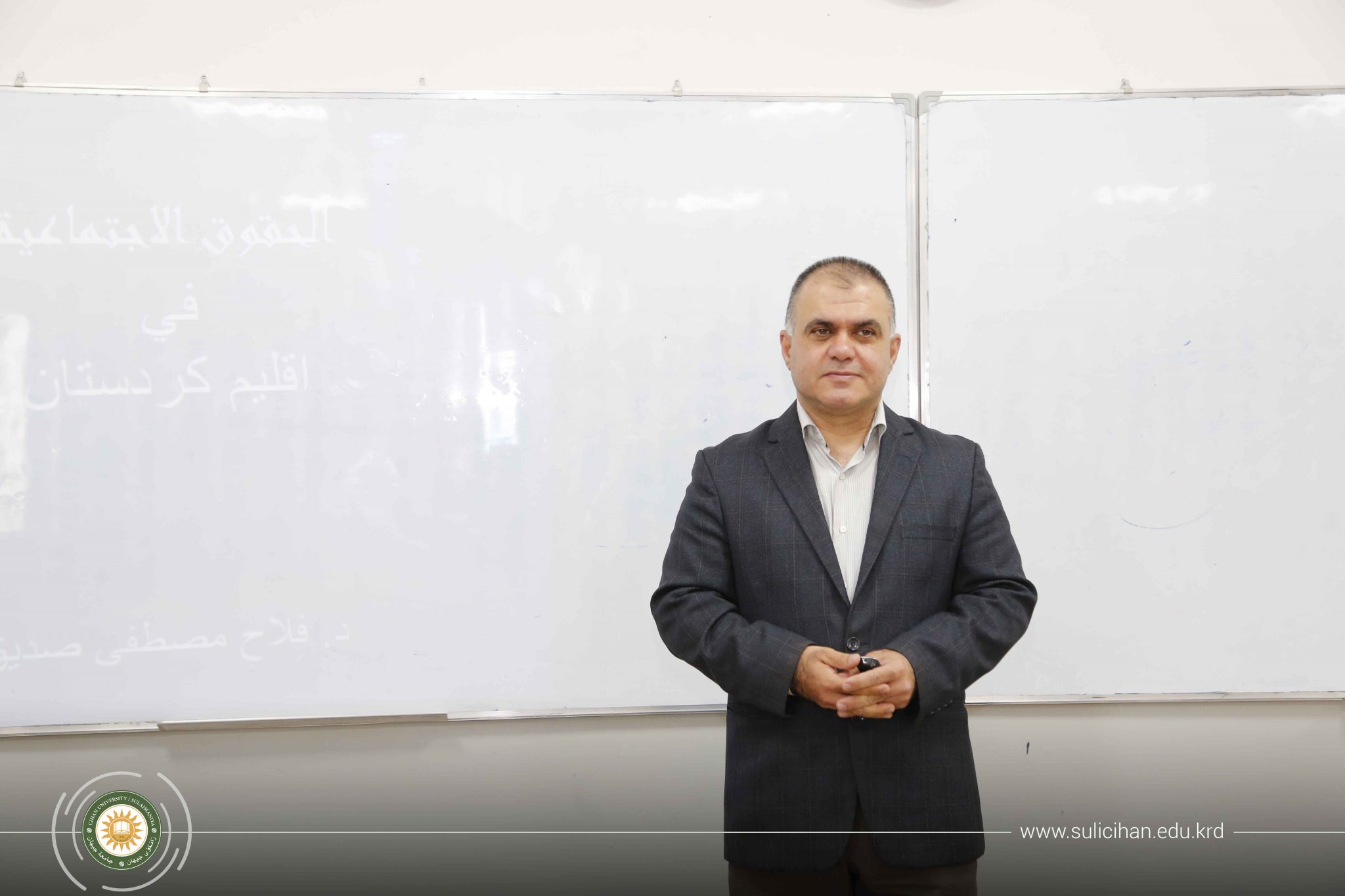
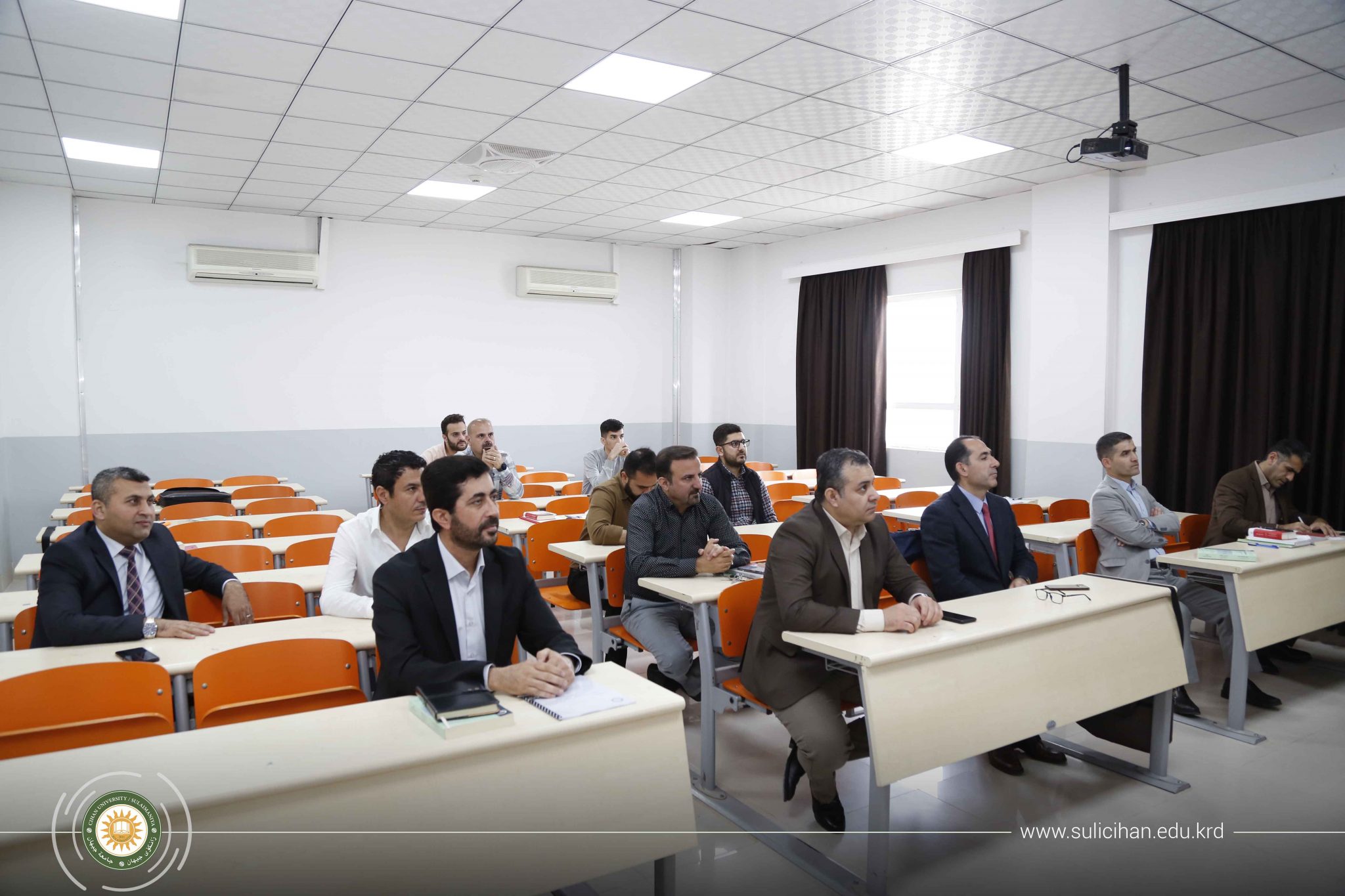
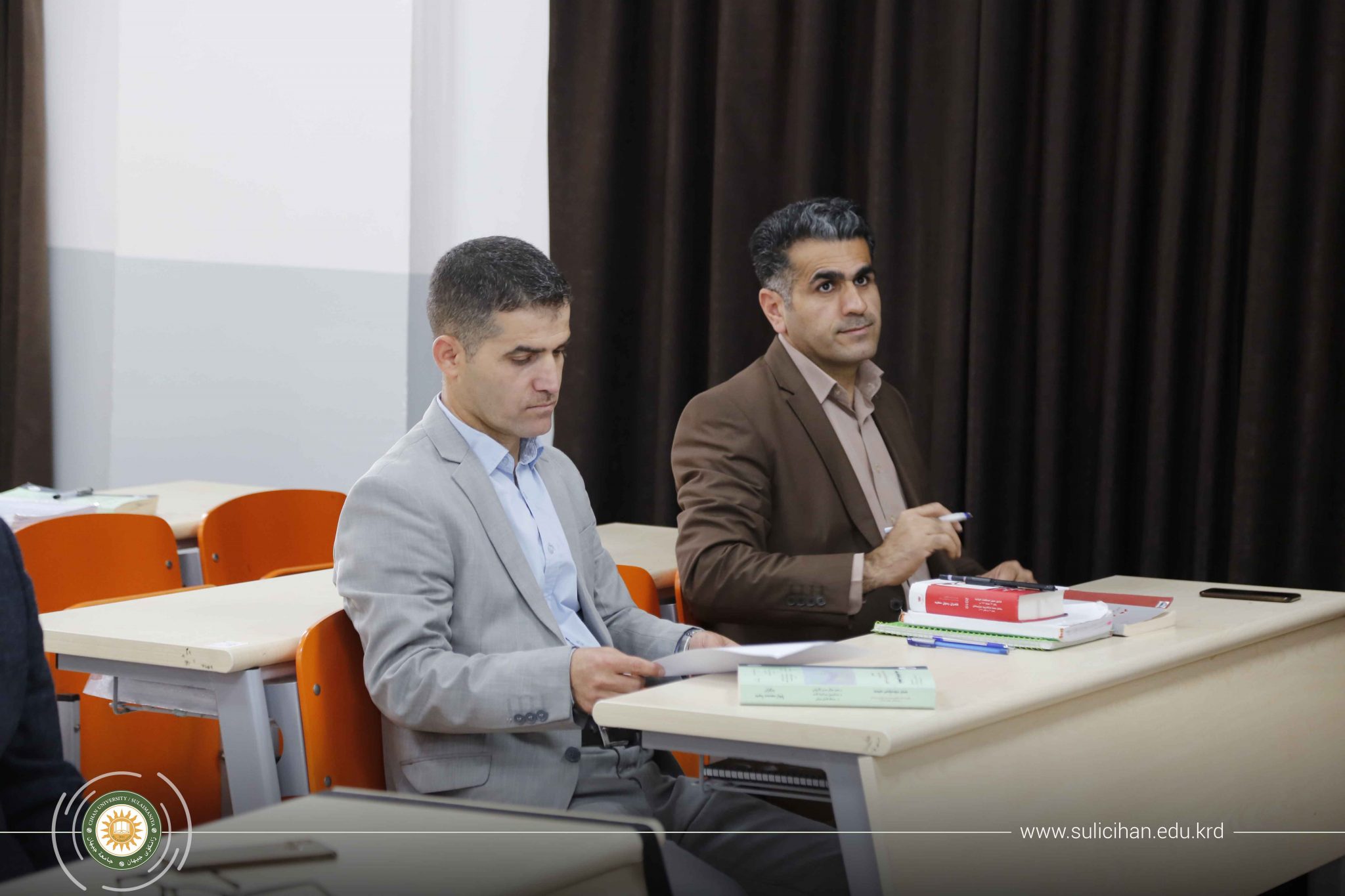
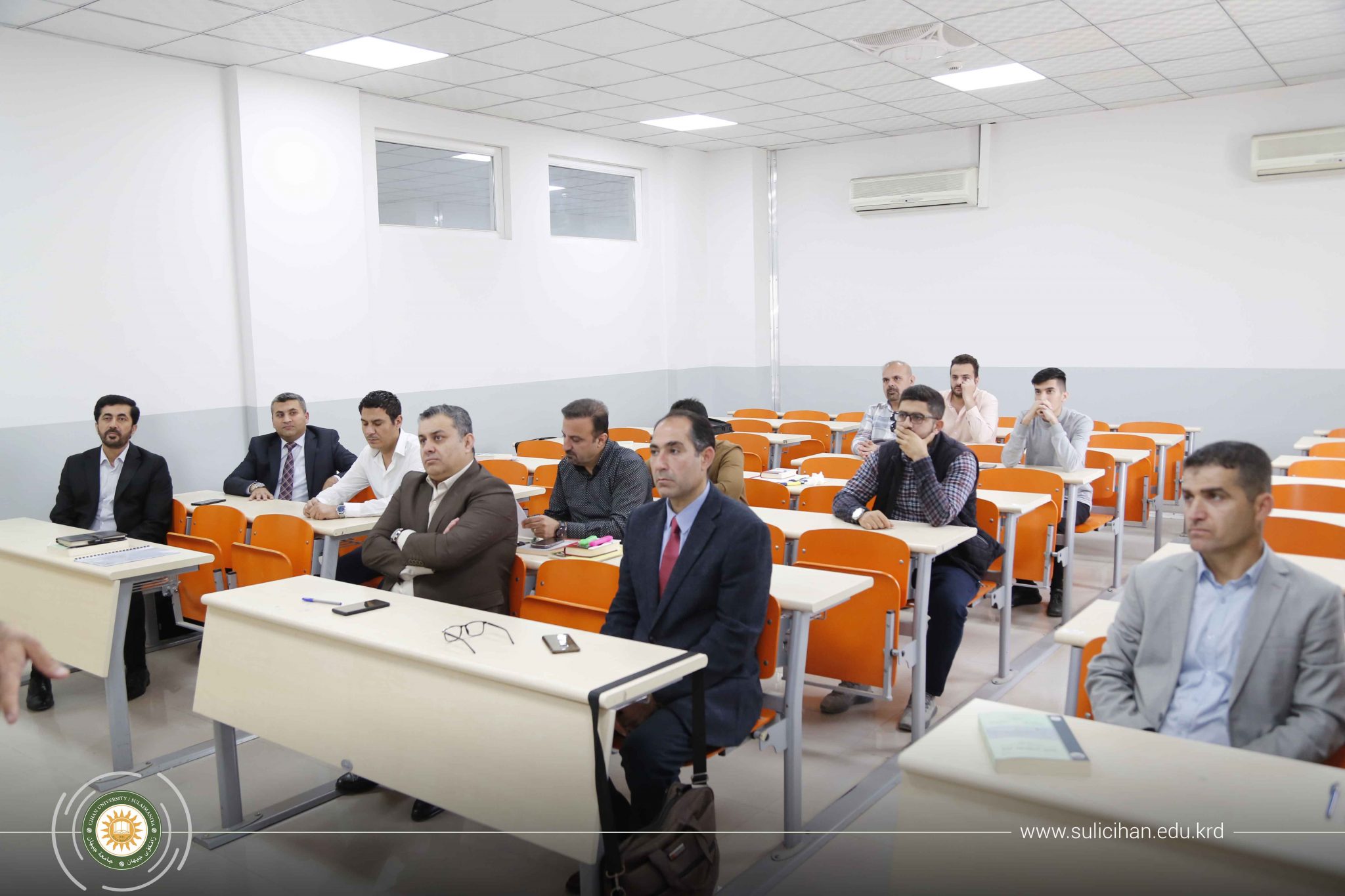
On 2023-04-11, Dr. Falah Mustafa Sadiq, a lecturer at the Department of Law, delivered a captivating seminar on “Social Rights in the Kurdistan Region”. During the presentation, Dr. Sadiq delved into the meaning of social rights in the Kurdistan region, the various types of social rights, and their corresponding guarantees. He also provided an in-depth analysis of the legislation related to social rights in the Kurdistan region, and concluded with some insightful recommendations. The seminar was well-received by the audience, who left with a better understanding of the importance of social rights in the region.
Achieving social justice among individuals involves helping those who are economically disadvantaged through various means, such as creating job opportunities for those who are able and providing insurance against poverty, disease, and disability for those who are unable to work. Job preparation is facilitated through employment offices, while insurance is provided by ensuring decent living conditions for the poor, the sick, and those who are incapable of working.
To promote social justice, it is essential to address the root causes of economic inequality and provide support to those who are most vulnerable. By creating job opportunities and providing insurance against poverty, disease, and disability, we can help individuals overcome the challenges they face and achieve greater economic security.
To achieve these goals, we must work together as a society to create a more equitable and just system. This requires a commitment to investing in education and job training programs, as well as providing access to affordable healthcare and other essential services.
Ultimately, achieving social justice is not just a moral imperative, but also a practical necessity. By ensuring that everyone has access to the resources they need to thrive, we can create a more prosperous and sustainable future for all.
One of the key recommendations is to expedite the ratification of the new labor law recently passed by the Parliament of Kurdistan. Additionally, there should be a concerted effort to prioritize government employment offices and inspection committees to create job opportunities for the unemployed in the Kurdistan Region. It is also crucial to amend the Social Security Law to reflect the unique circumstances faced by the Kurdistan Region, while still adhering to the standards set by the federal government.
This can be achieved by introducing additional social insurance networks that cater to a wider segment of society. Furthermore, the Ministry of Labor and Social Security in the Kurdistan Region should be given the opportunity to invest the money returned from the Security Fund in a manner that aligns with the current reality. By implementing these recommendations, we can create a more robust and equitable labor market in the Kurdistan Region.
Related posts


