

زانکۆی جیهان – سلێمانی ڕۆژی جیهانی پووکانەوەی ئێسک بە وۆرکشۆپێکی زانستی بەرز ڕاگرت
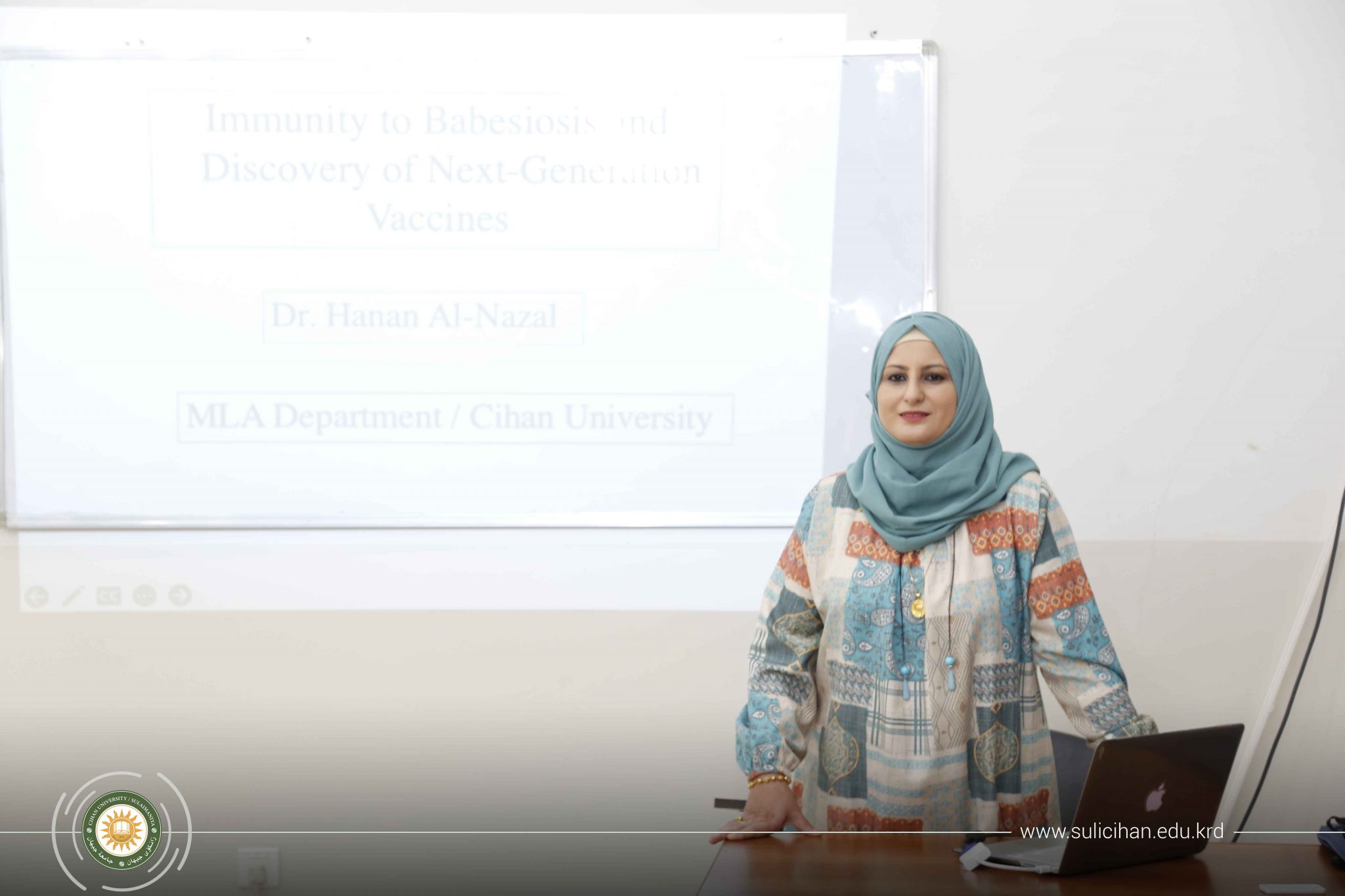
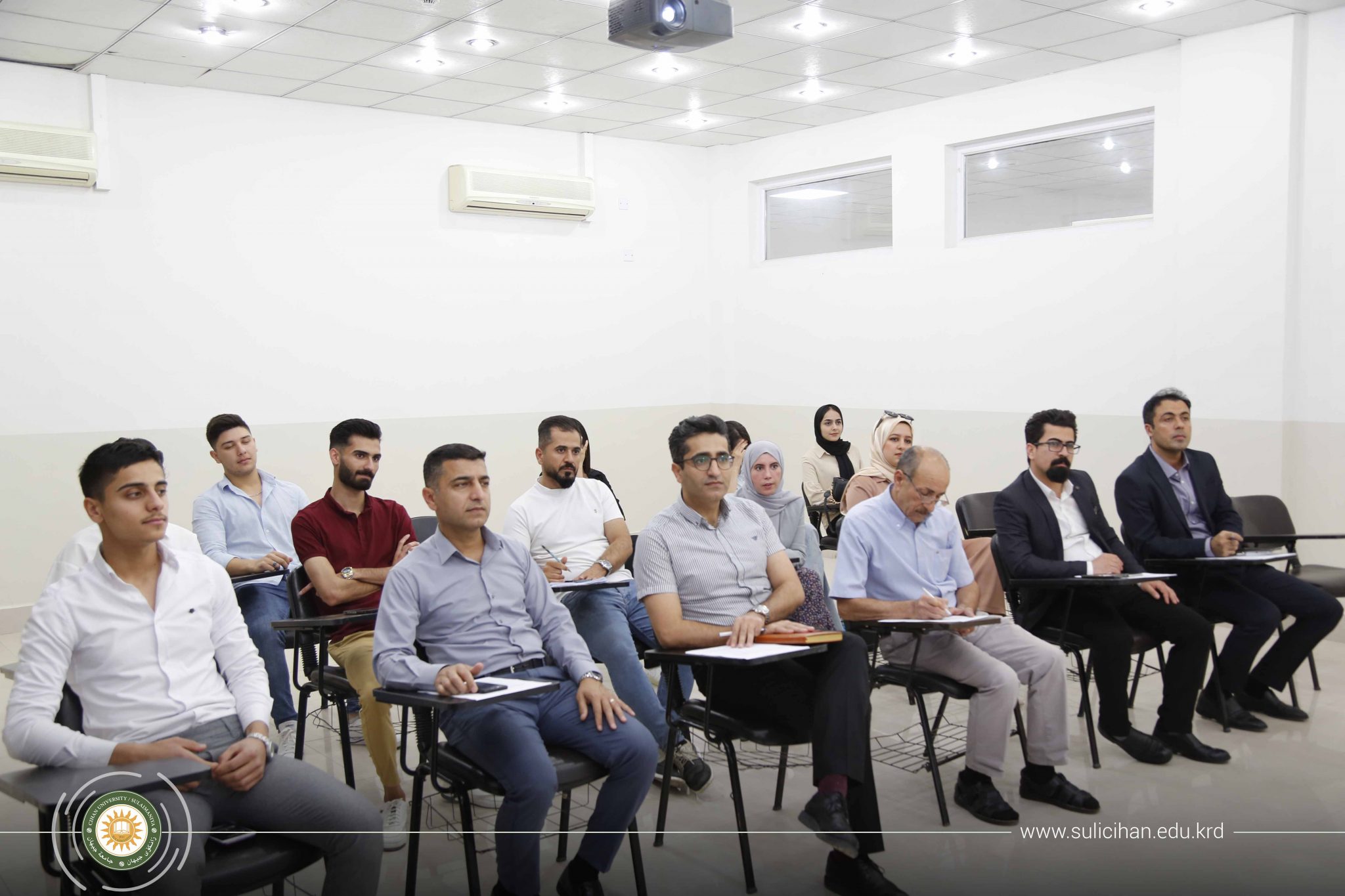
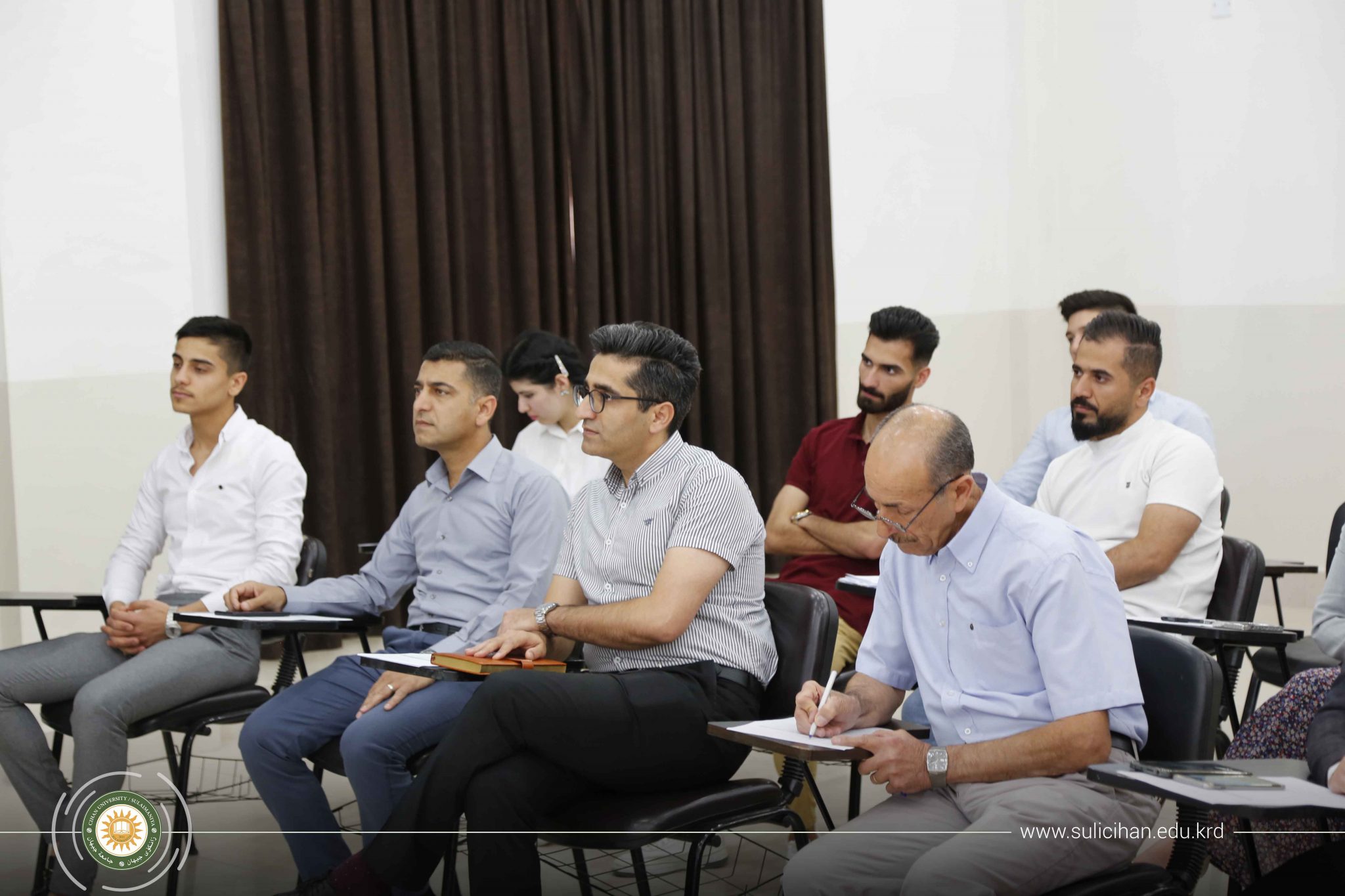
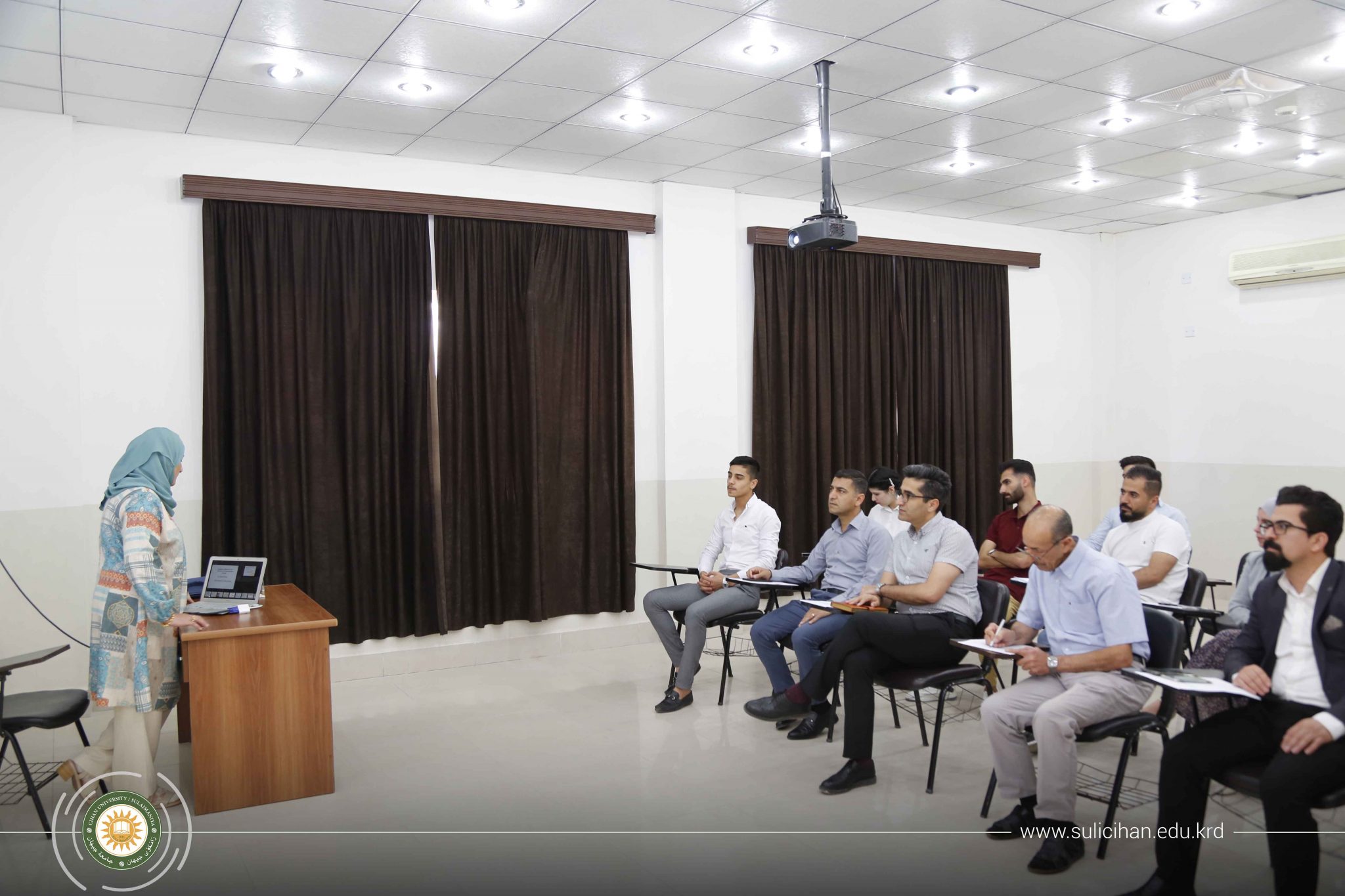
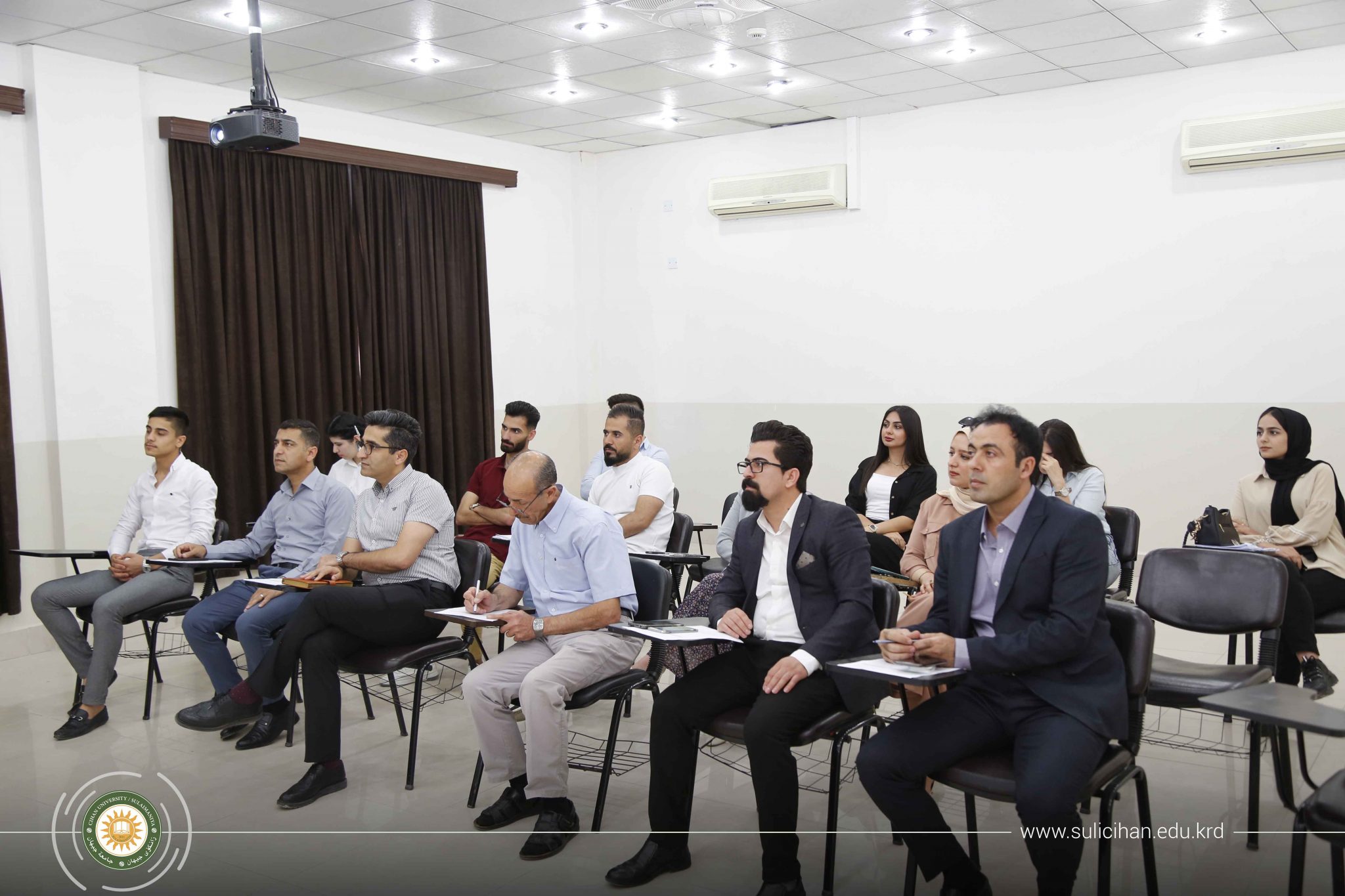
On May 10th, 2023, the College of Health Science hosted a seminar presented by Dr. Hanan Al-Nazal on the topic of “Immunity to Babesiosis and the Discovery of Next Generation Vaccines.” Babesiosis is a tick-borne disease caused by intraerythrocytic Babesia parasites. This illness is well-known in companion animals and livestock, resulting in significant economic losses in the cattle industry. Additionally, Babesiosis is recognized as an emerging zoonosis of humans in many countries worldwide.
During the seminar, Dr. Al-Nazal discussed the current state of research on Babesiosis and the challenges faced in developing effective vaccines. She highlighted the importance of understanding the immune response to the disease and the potential for new technologies to aid in vaccine development.
Currently, there is no vaccine available to prevent human babesiosis. As a result, preventive measures are primarily focused on avoiding the vectors that transmit the disease. While vector avoidance is not always effective, treatment options include antimicrobial therapy and exchange transfusion. In this review, we delve into the host’s immune response to the parasite, explore vaccines that are currently being used to prevent babesiosis in animals, and draw lessons from malaria vaccine development efforts to inform the development of a human babesiosis vaccine.
The development of an effective human vaccine would be a significant breakthrough in the fight against this rapidly emerging disease. By providing a means of prevention, we can take a proactive approach to curtailing the spread of babesiosis and protecting those who are most vulnerable.

Related posts


