

ئۆکتۆبەری پەمەیی؛ پەیامی هۆشیاری و تەندروستی لە زانکۆی جیهان-سلێمانی
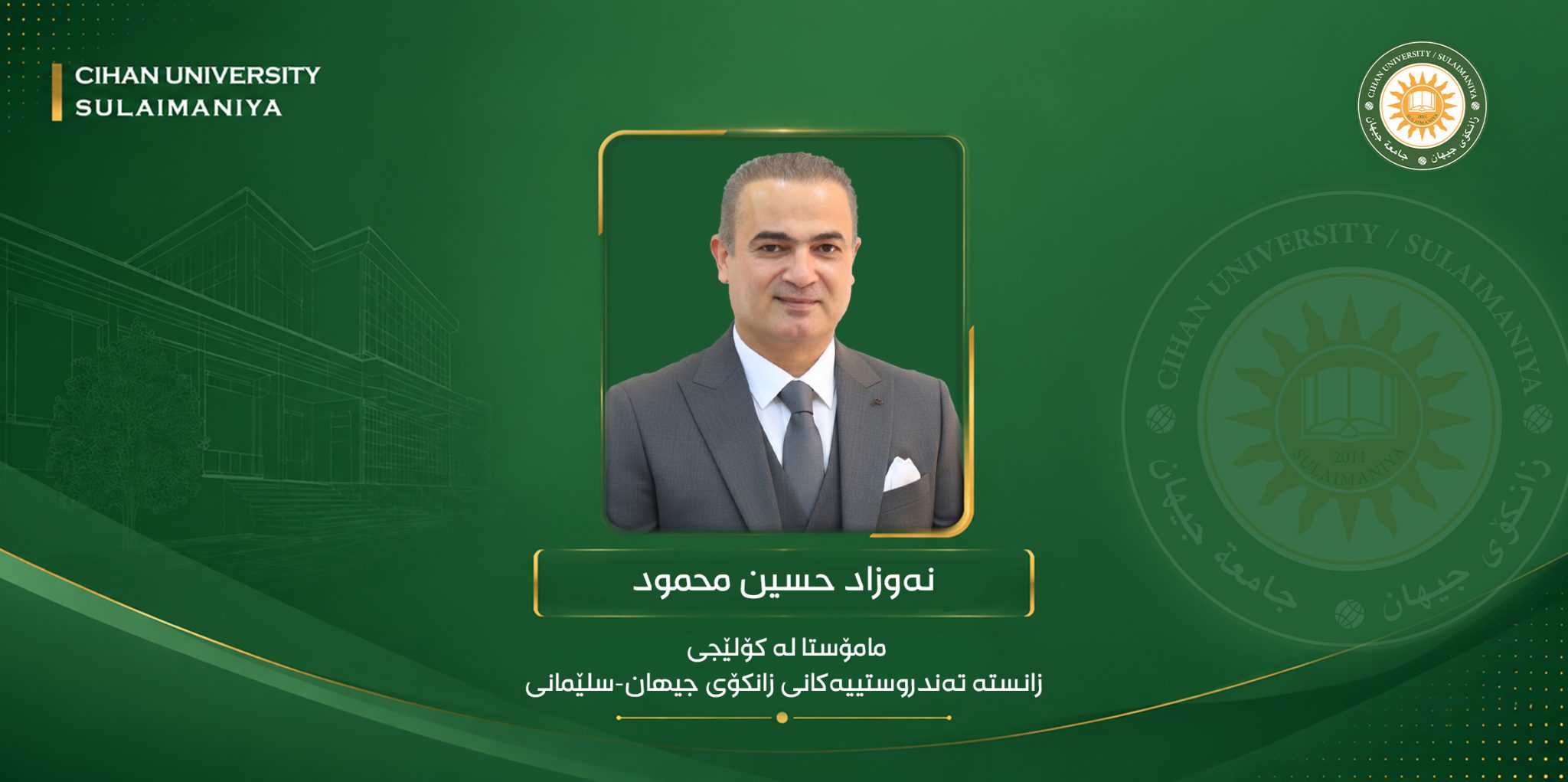
Dr. Nozad Hussein Mahmood from the College of Health Sciences at Cihan University-Sulaimaniya, has published a research article in the esteemed journal BMC Psychiatry. The article is titled “Long-term psychological and cognitive impacts and transgenerational trauma among survivors and offspring of the Anfal attempted genocide against Kurds.”
The research looked at the long-term mental health and cognitive effects of the 1988 Anfal campaign about 35 years later. The team studied 464 people in genocide-affected areas of the Kurdistan Region of Iraq: 231 Anfal survivors and 233 of their children. Survivors had much higher levels of depression, anxiety, suicidal thoughts and working memory problems than their children. Rates of PTSD and complex PTSD were similar in both groups, which shows that the trauma has been passed down to the next generation. People who went through more severe experiences during Anfal also had more depression, anxiety, suicidal thoughts, memory problems and difficulty with self-control.
This research is important because it shows that the psychological and cognitive wounds of genocide last for decades and pass from parents to children. The findings support the need for long-term mental health programs that are trauma-informed and reach whole families across generations in communities affected by genocide.
The journal is indexed in Scopus (Q1) and has an Impact Factor of 4.6.
The article can be found at the following link: https://doi.org/10.1186/s12888-026-08726-2
Related posts


