

زانکۆی جیهان – سلێمانی ڕۆژی جیهانی پووکانەوەی ئێسک بە وۆرکشۆپێکی زانستی بەرز ڕاگرت
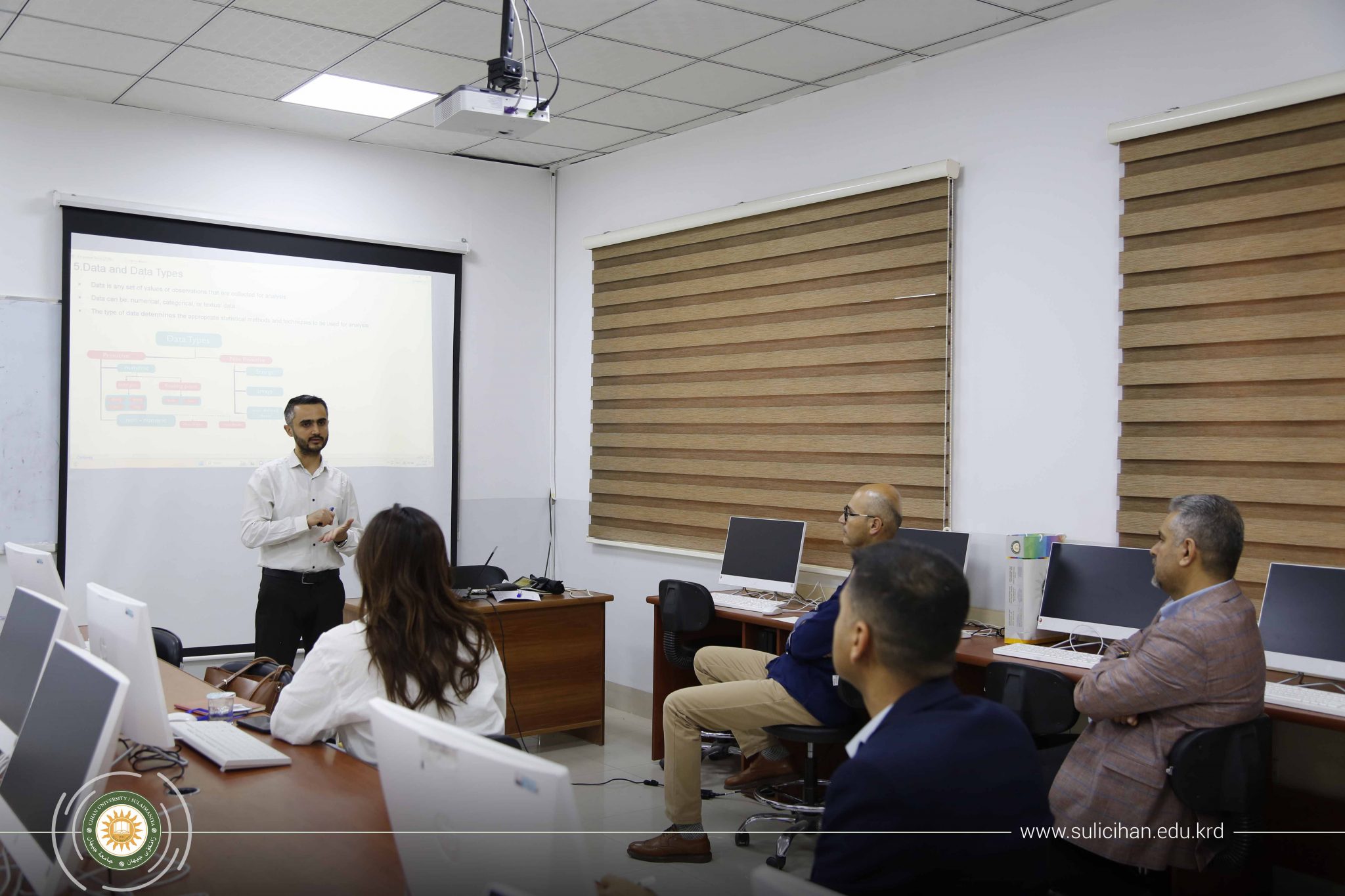
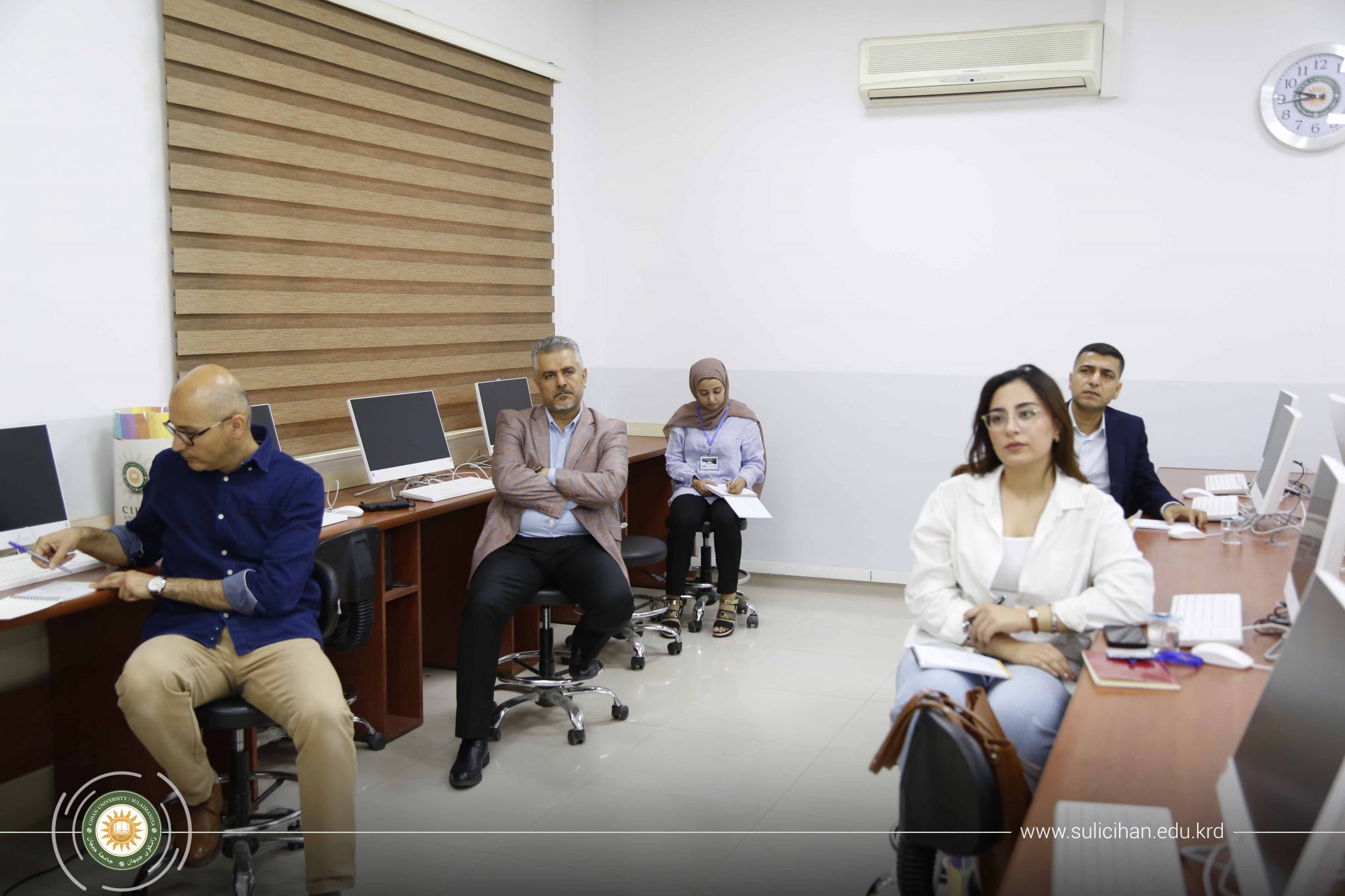
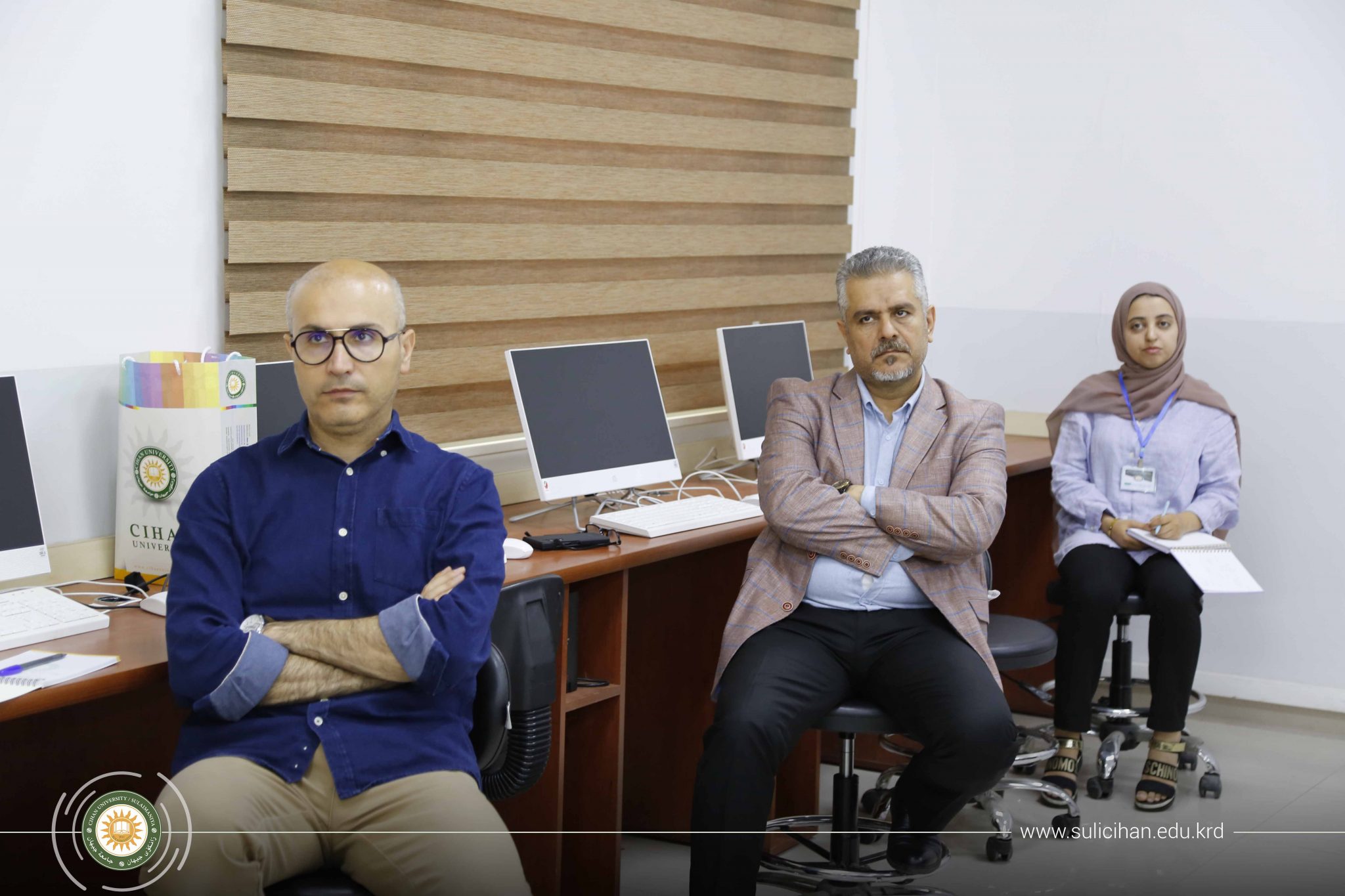
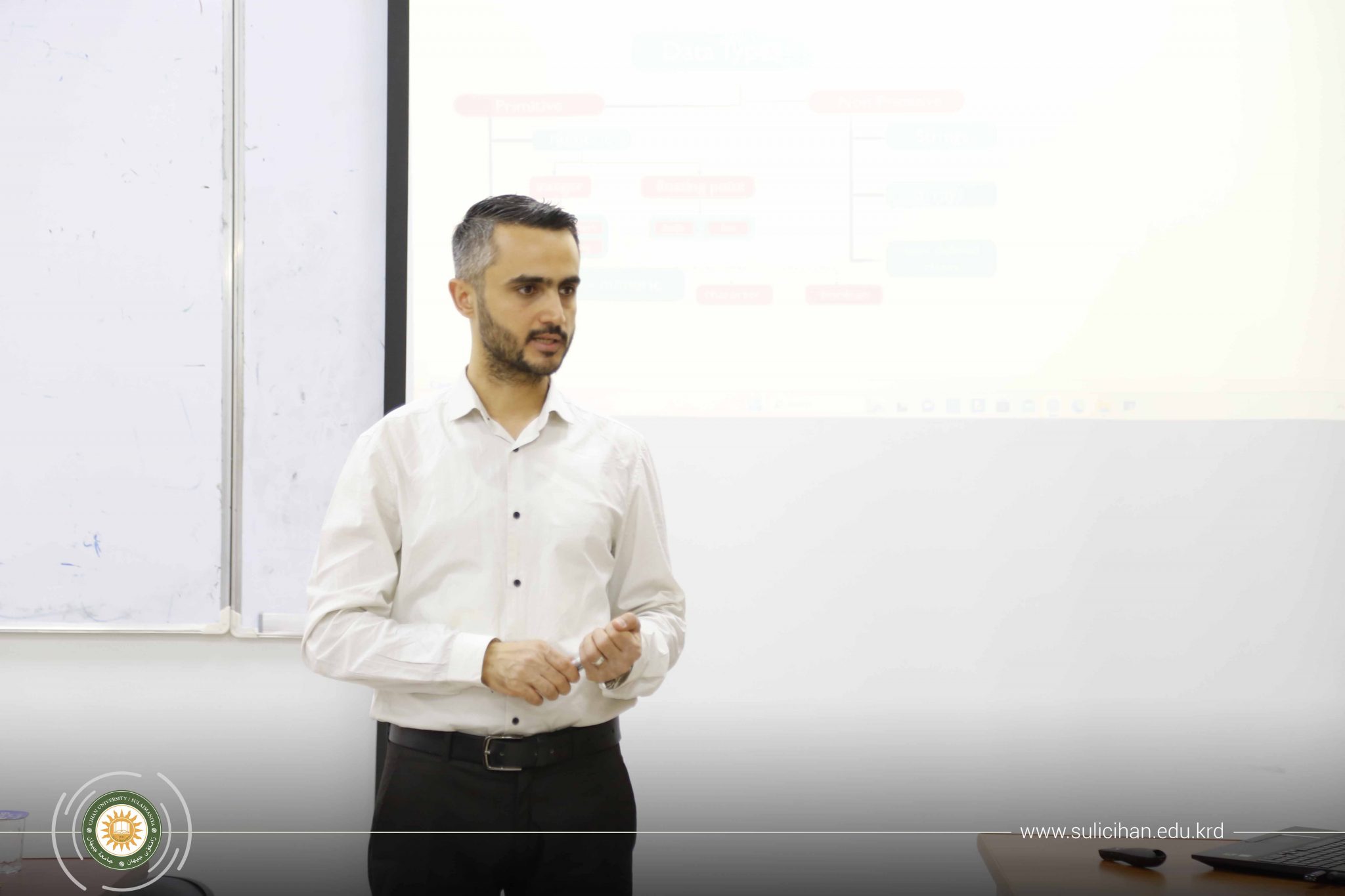
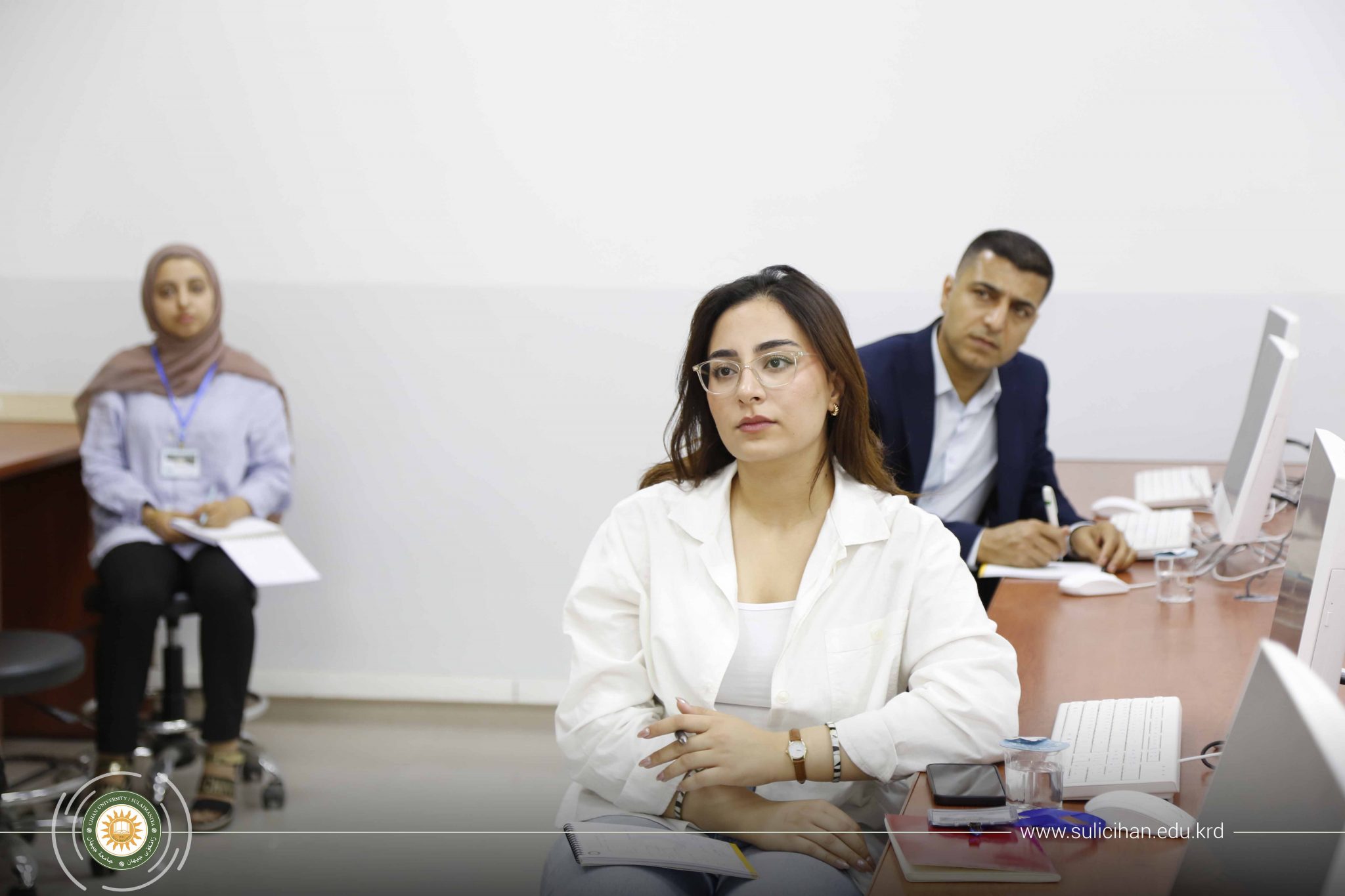
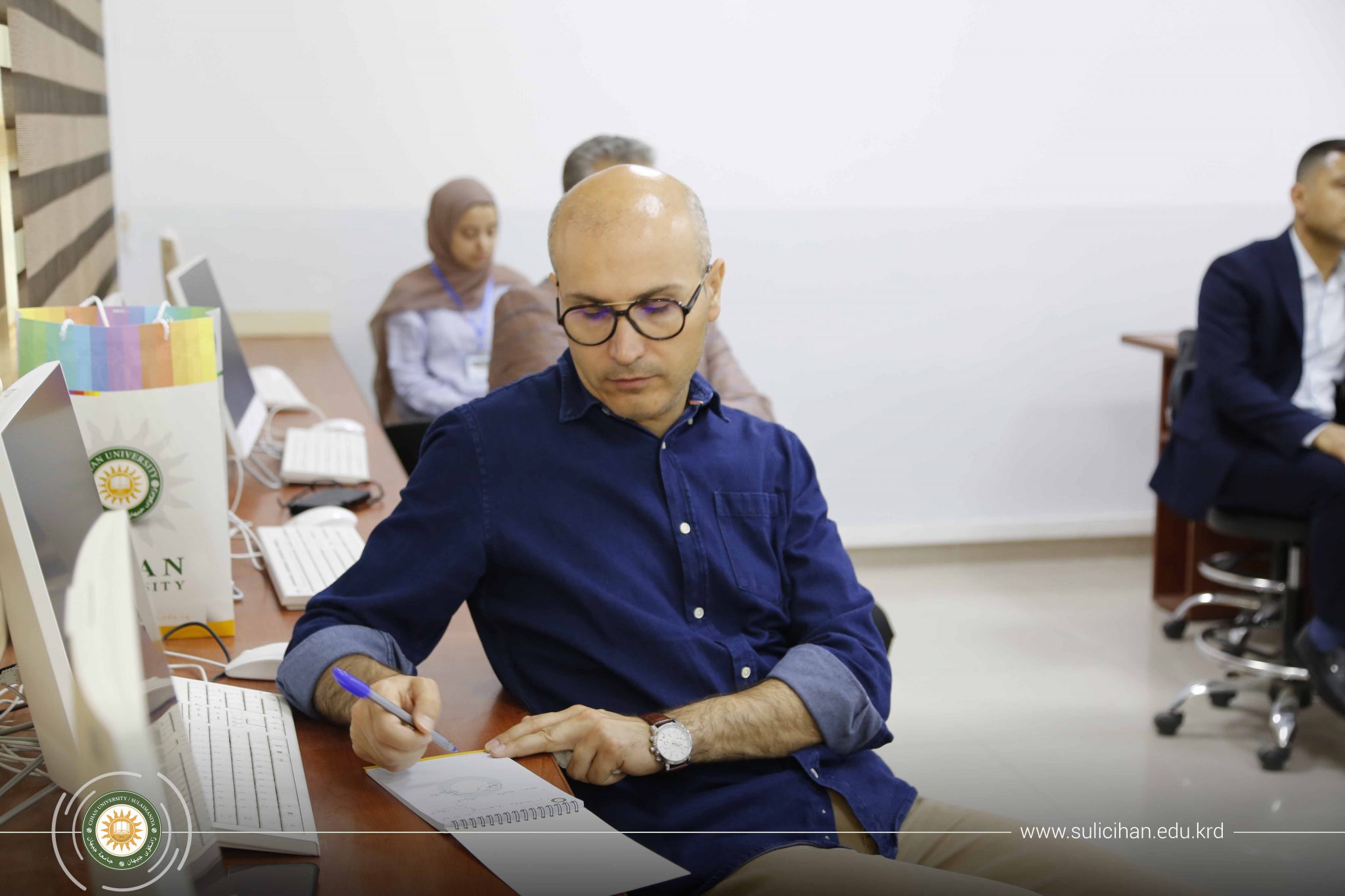
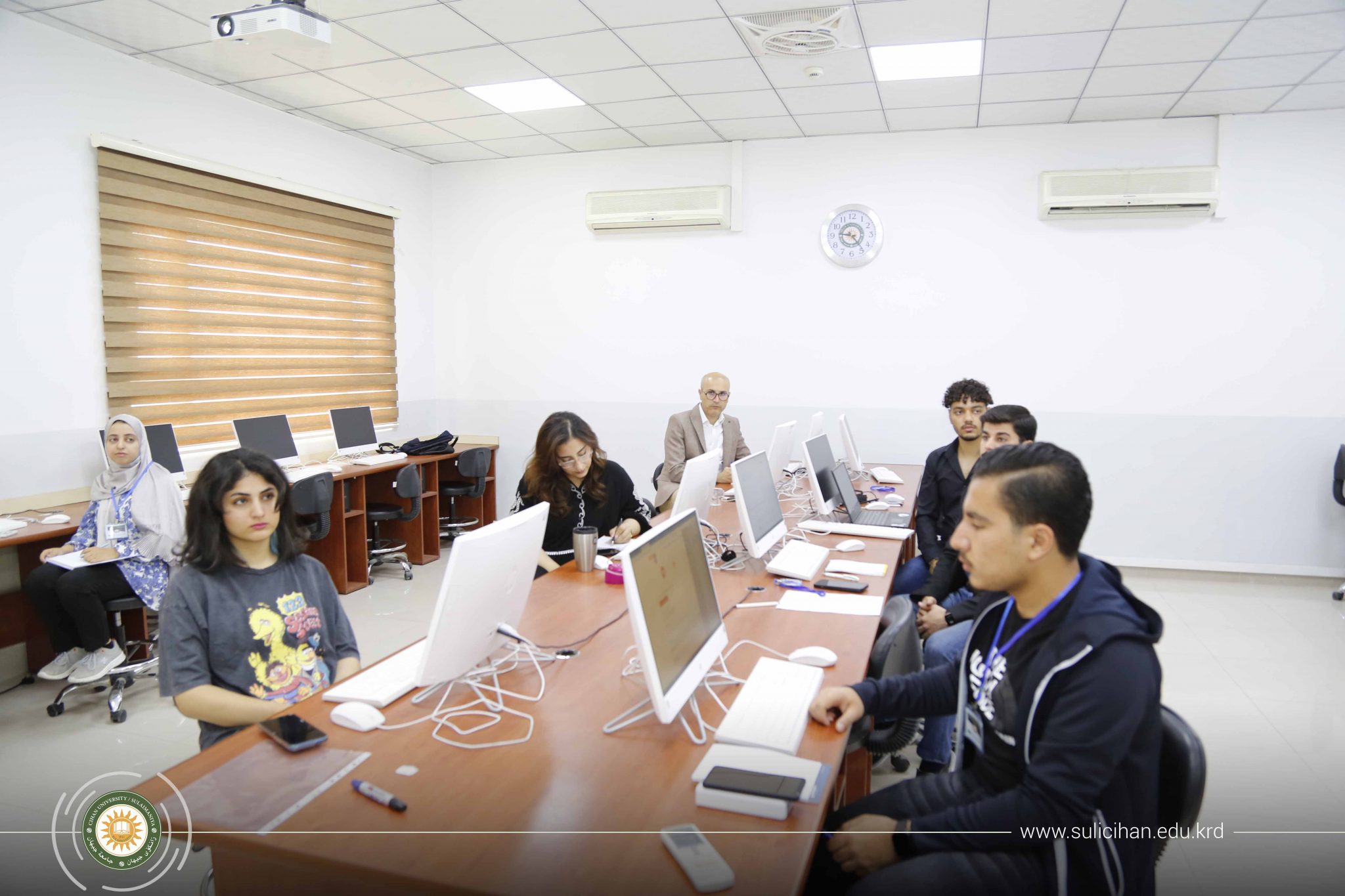
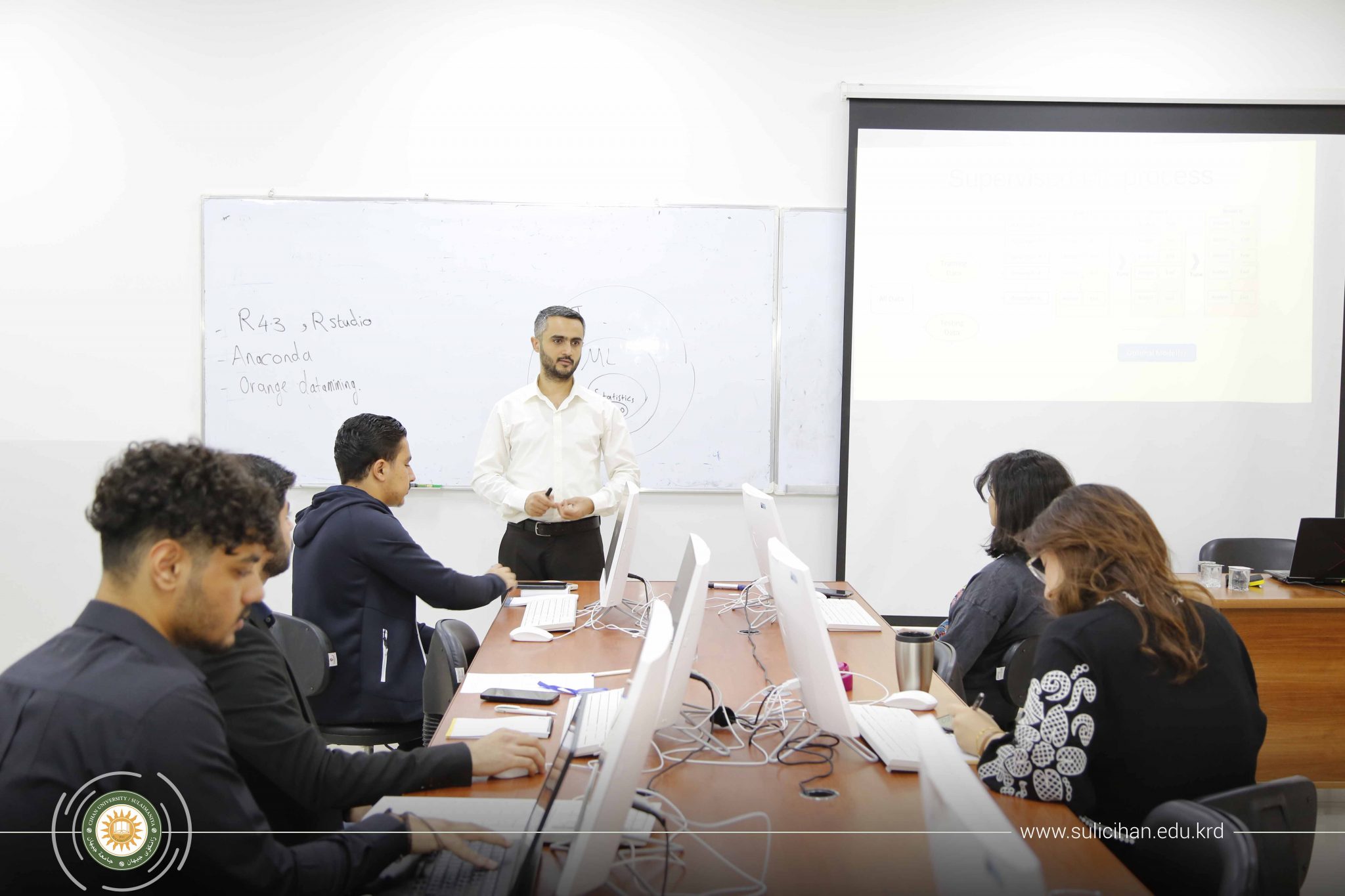
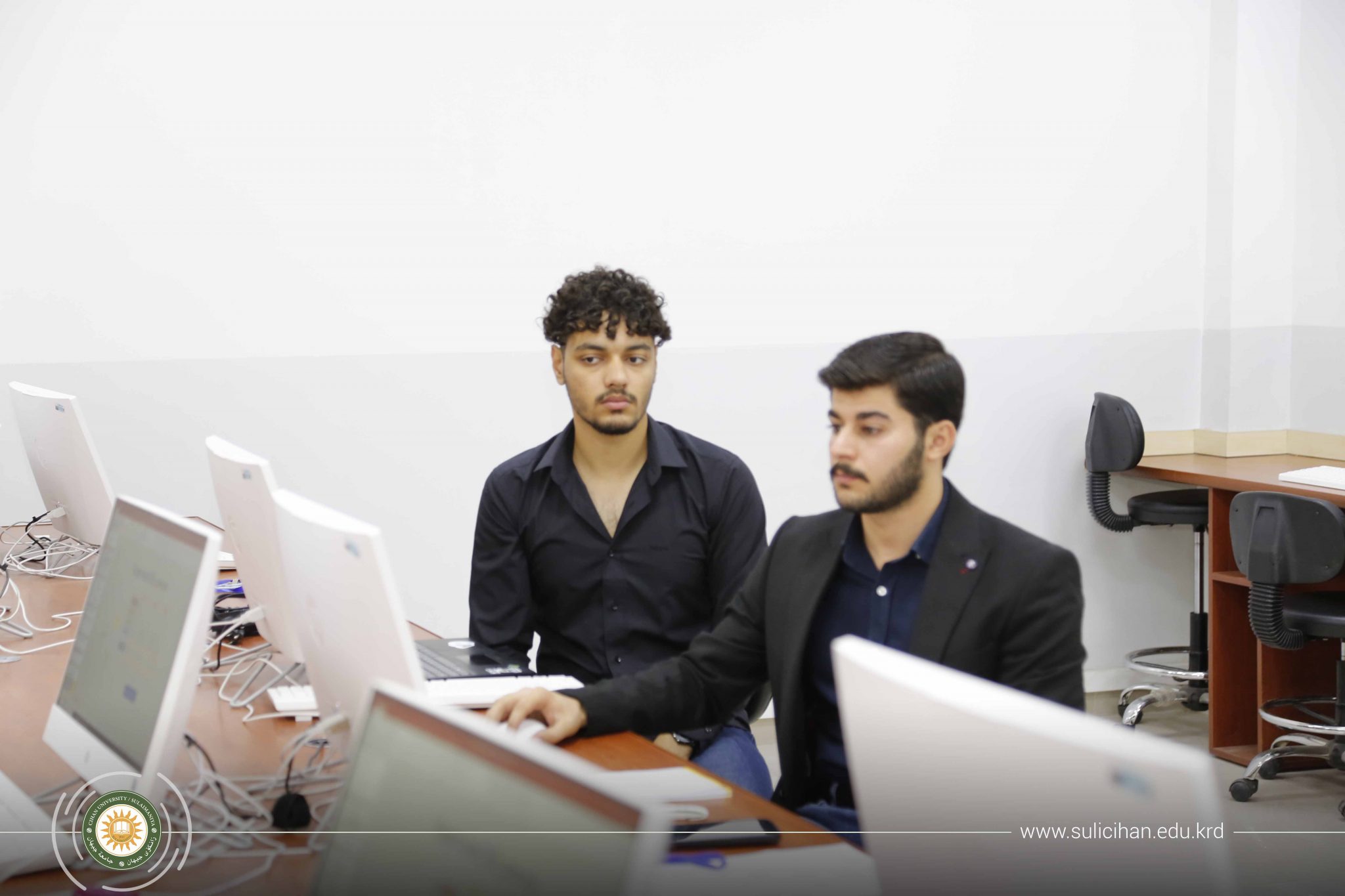
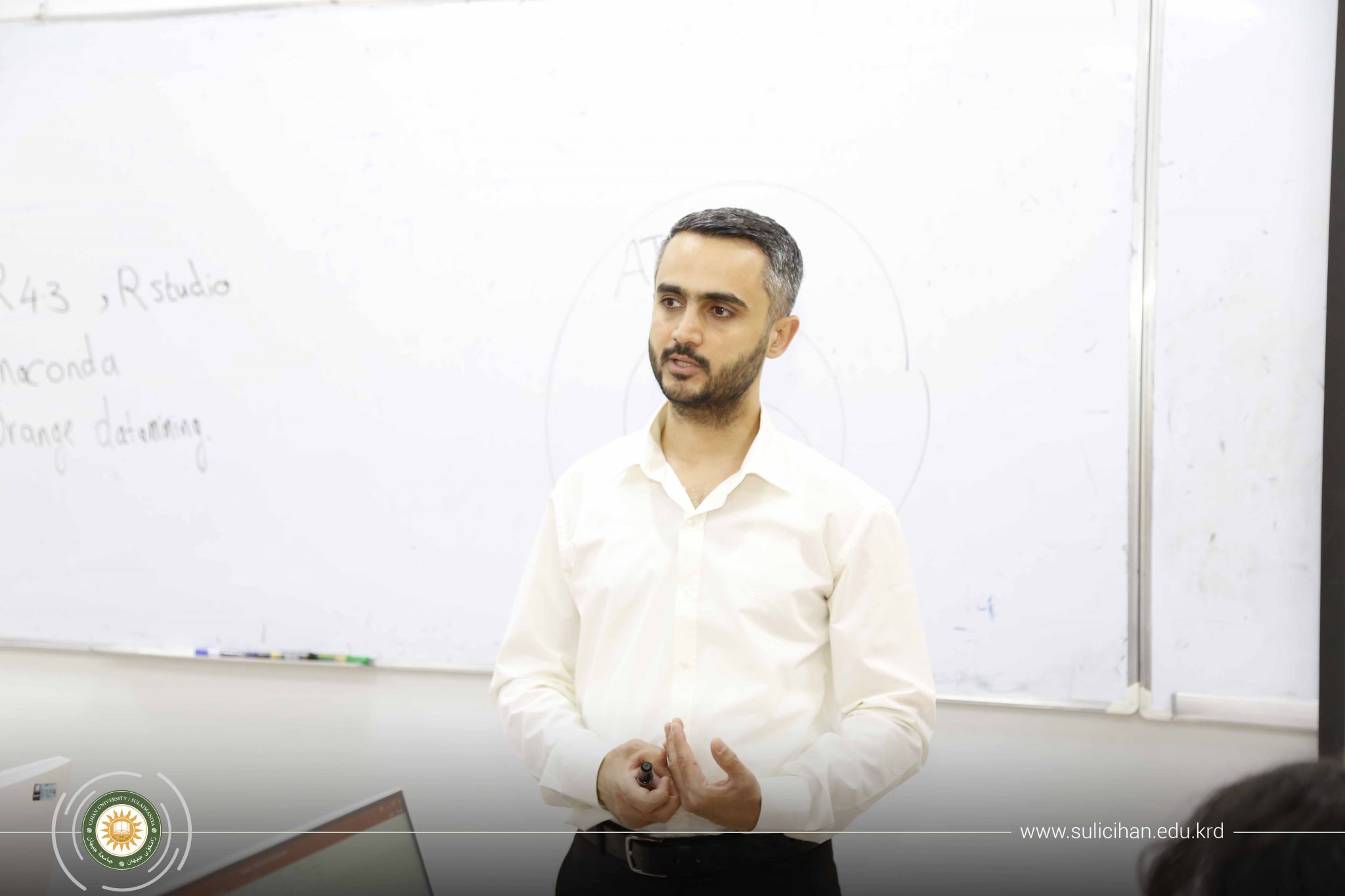
On Saturday, May 20,2023, at the college of Health Science, Cihan University-Sulaimaniya hosted a comprehensive two-day workshop on Machine Learning for Biomedical Data. The workshop, led by Mr Shad Arif Mohammed, aimed to equip participants with a solid foundation in unsupervised and supervised machine learning, as well as deep learning techniques. This hands-on training covered a diverse range of biomedical datasets, including tabular, image, and hyperspectral data, focusing on cancer classification, cancer response to drugs, and plant species classification. Participants eagerly delved into the world of machine learning, enhancing their skills and understanding of these innovative technologies.
Day One: Exploring the Foundations of Unsupervised Machine Learning
On the first day of the workshop, participants immersed themselves in the foundations of unsupervised machine learning. The session began with an introduction to unsupervised learning, emphasizing the process of extracting meaningful patterns and structures from unlabeled data. Through practical examples and interactive exercises, participants gained hands-on experience in applying various unsupervised learning algorithms to biomedical data.
The workshop then transitioned to supervised learning, where participants learned about the importance of labeled data and the process of training predictive models. They explored different supervised learning algorithms and techniques, understanding how to use them to analyze biomedical datasets effectively. Through engaging activities, participants applied their knowledge to real-world scenarios, such as cancer classification using tabular data.
Day Two: Mastering Deep Learning for Biomedical Applications
Building upon the foundations learned on the first day, the second day of the workshop focused on deep learning, a powerful subset of machine learning that has revolutionized the field of biomedical data analysis. Participants were introduced to neural networks, deep learning architectures, and the latest advancements in the field. Practical sessions allowed them to explore deep learning frameworks and apply them to various biomedical tasks.
During this day, participants had the opportunity to work with diverse biomedical datasets. They gained insights into image data for cancer response to drugs and hyperspectral data for classification. By actively engaging with these real-world scenarios, participants developed a deep understanding of the application of deep learning techniques to biomedical research and practice.
Certificate of Participation:
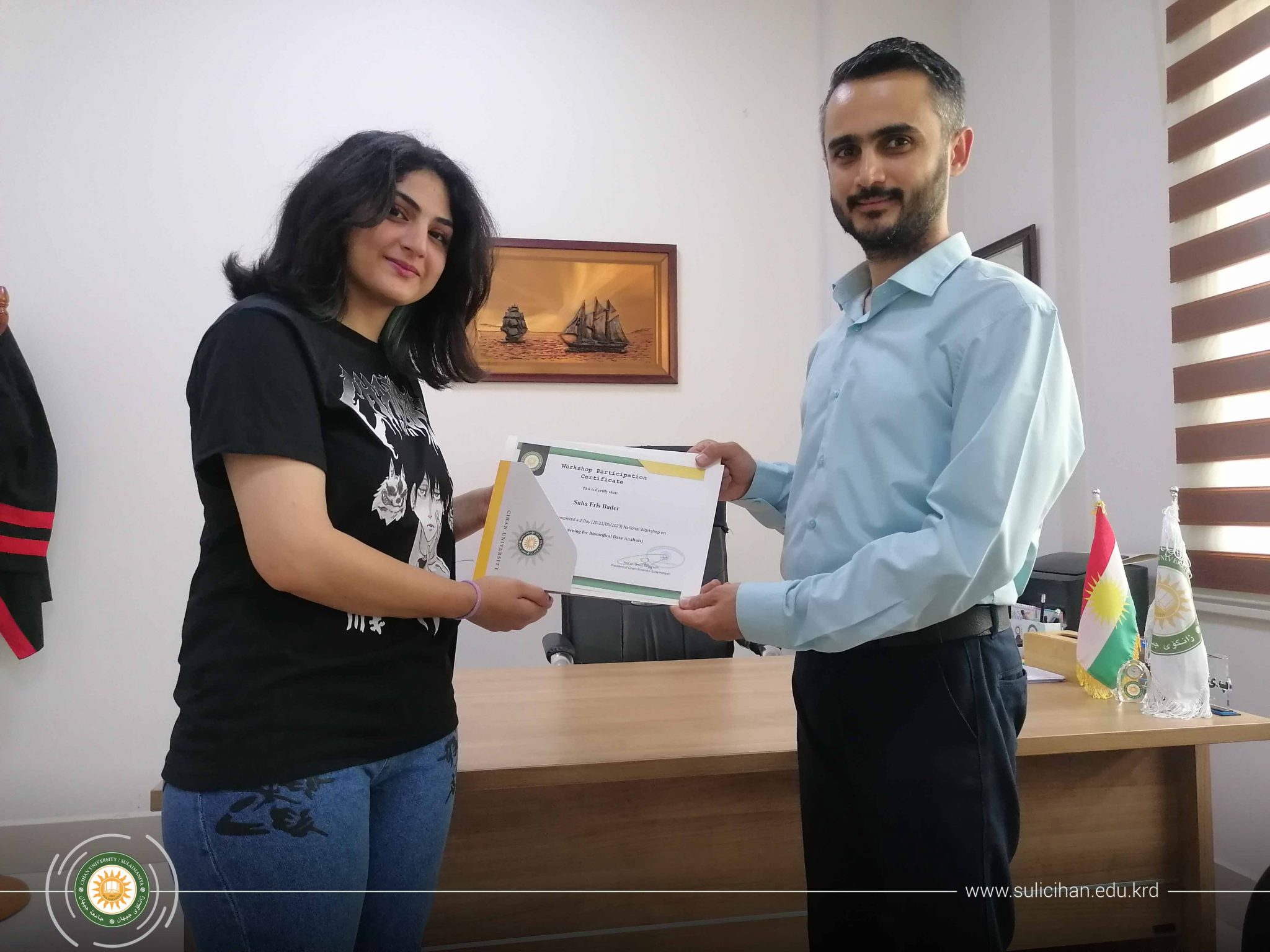
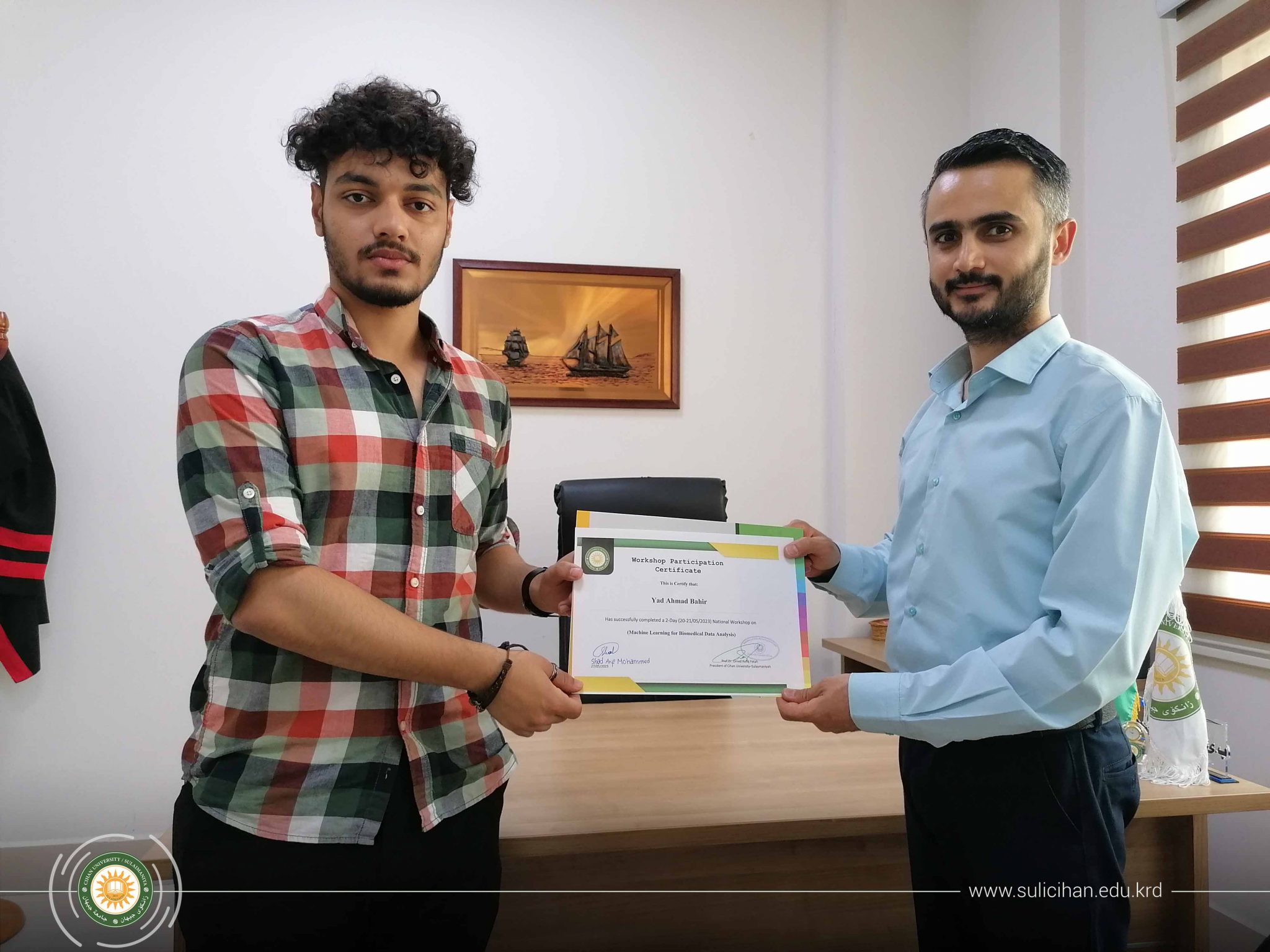
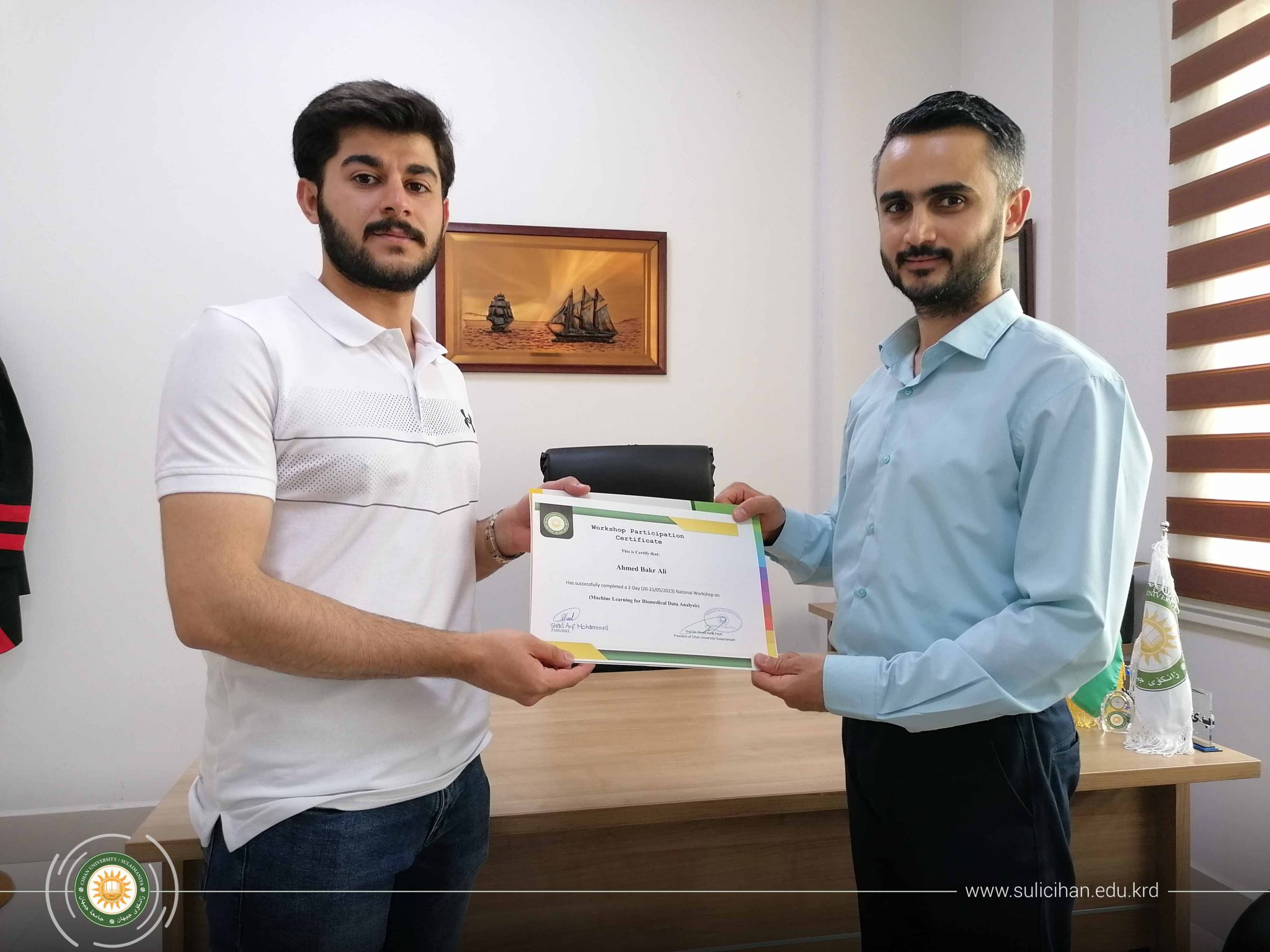
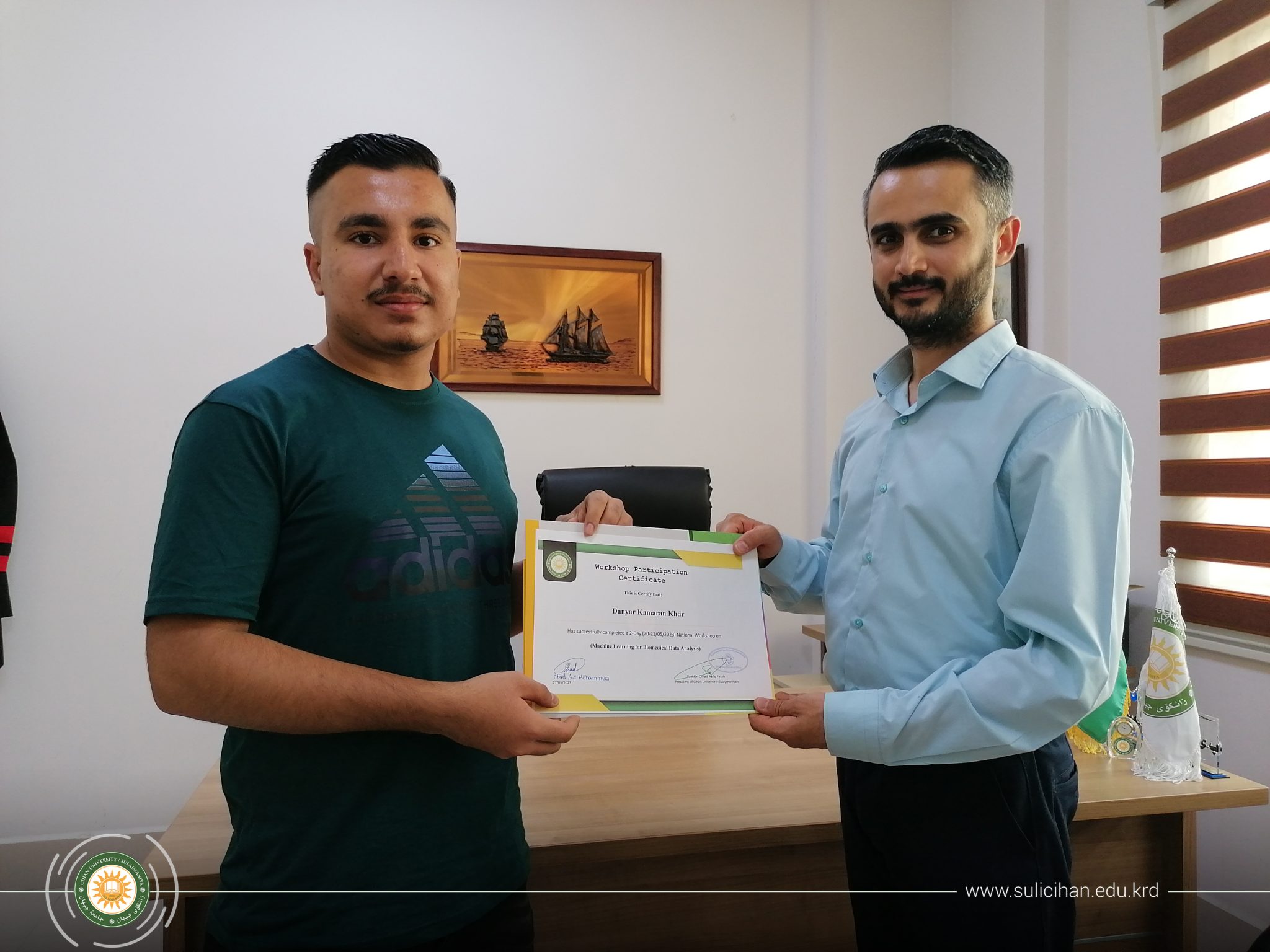
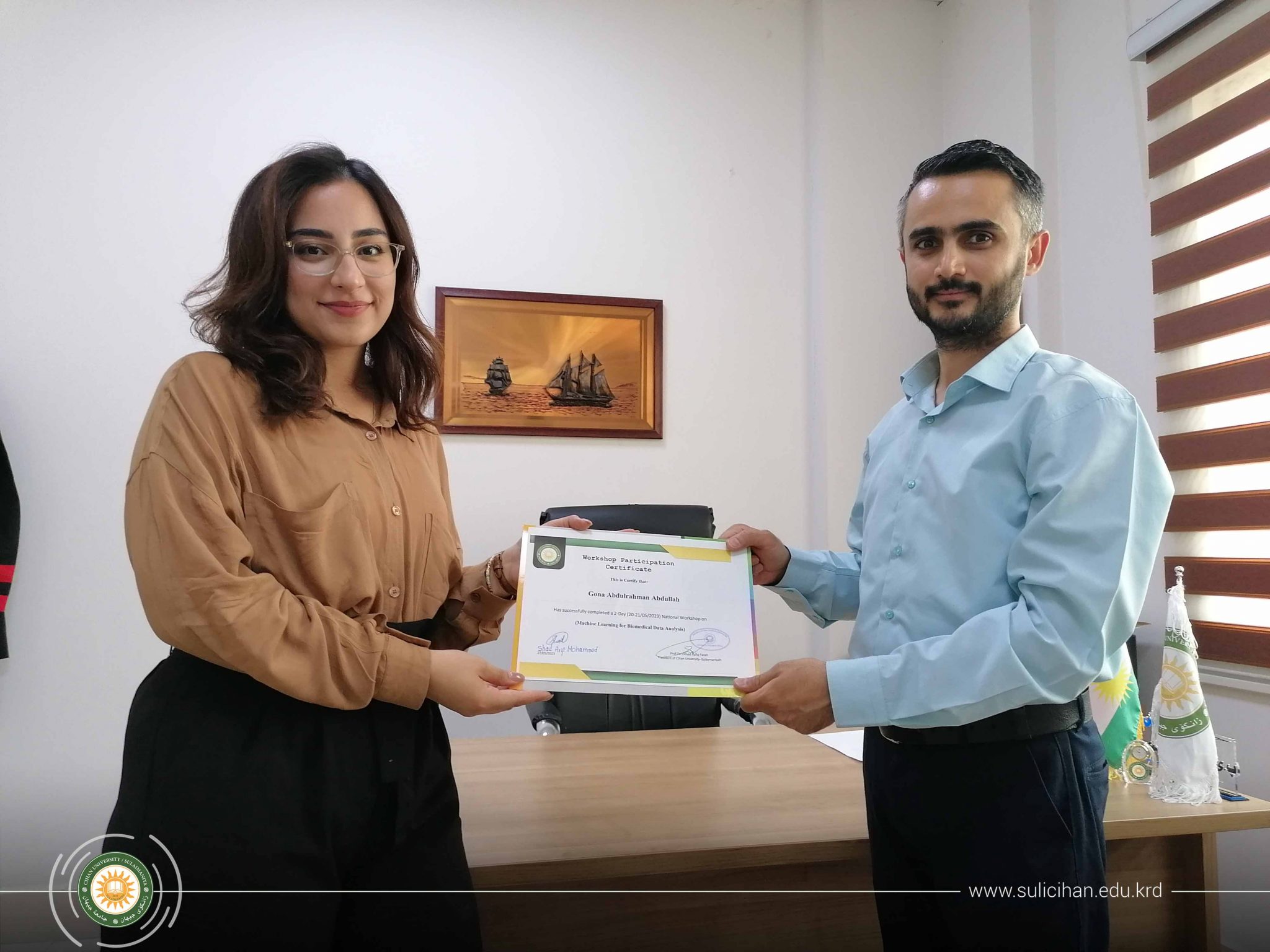
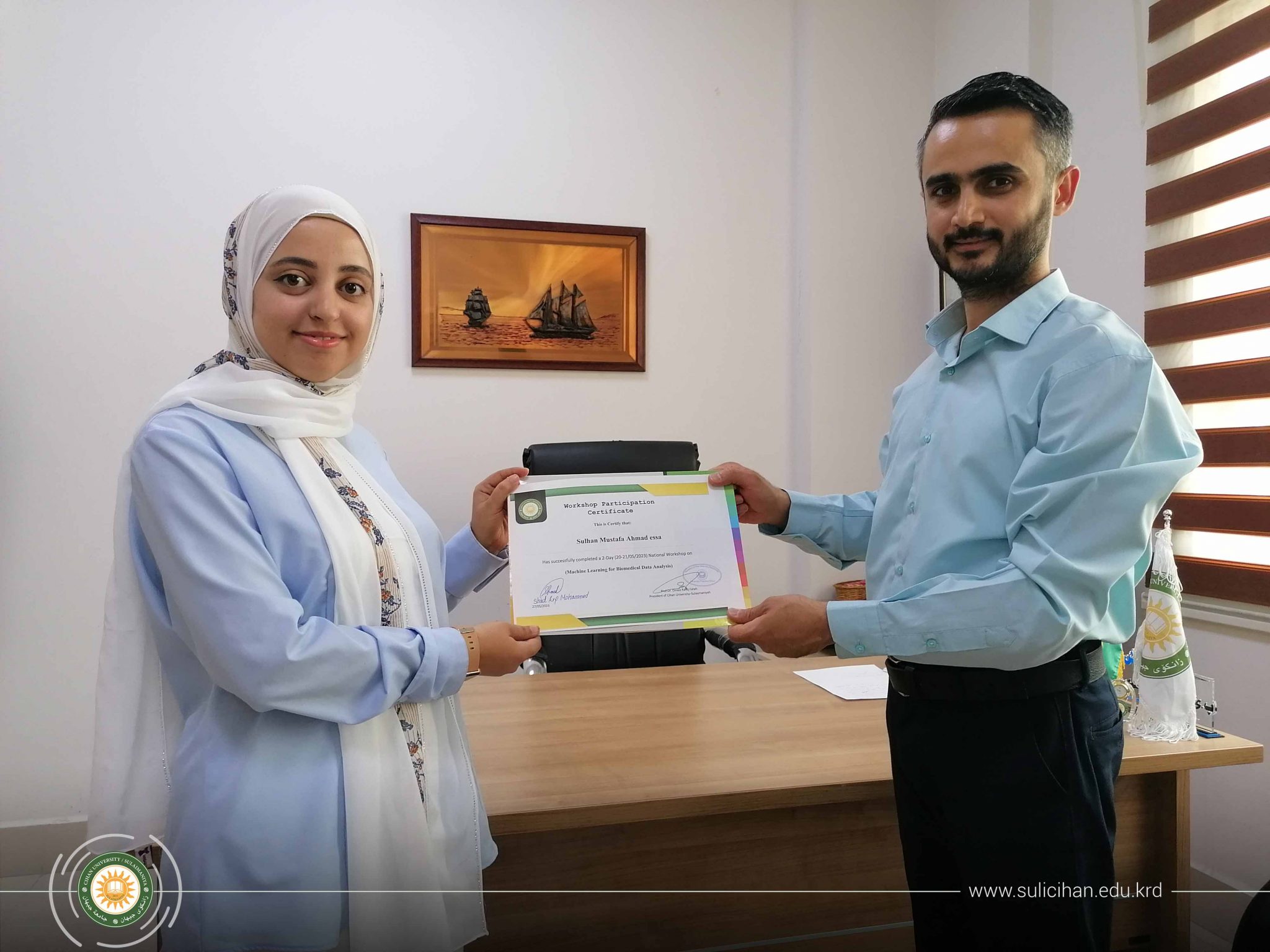
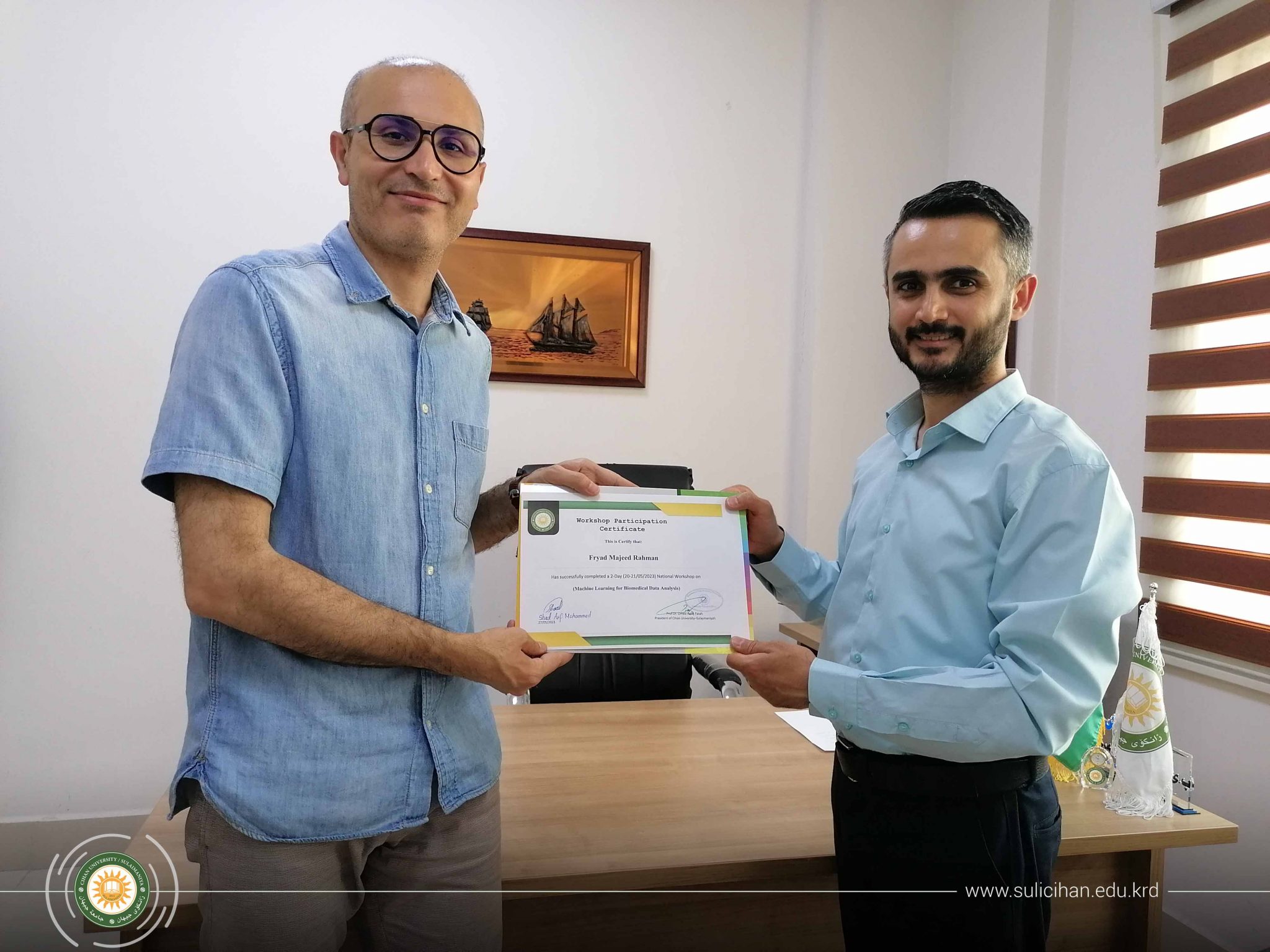
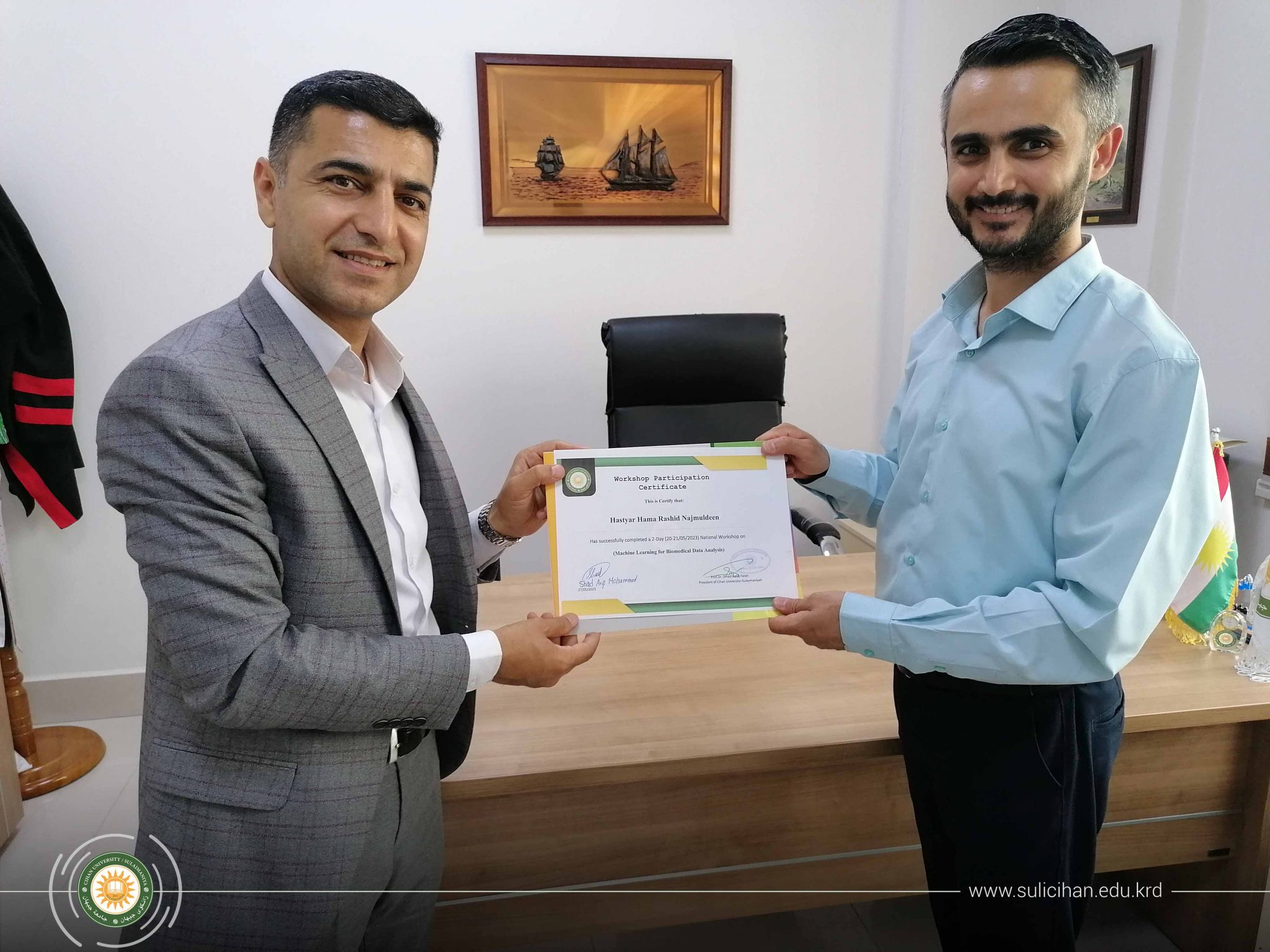
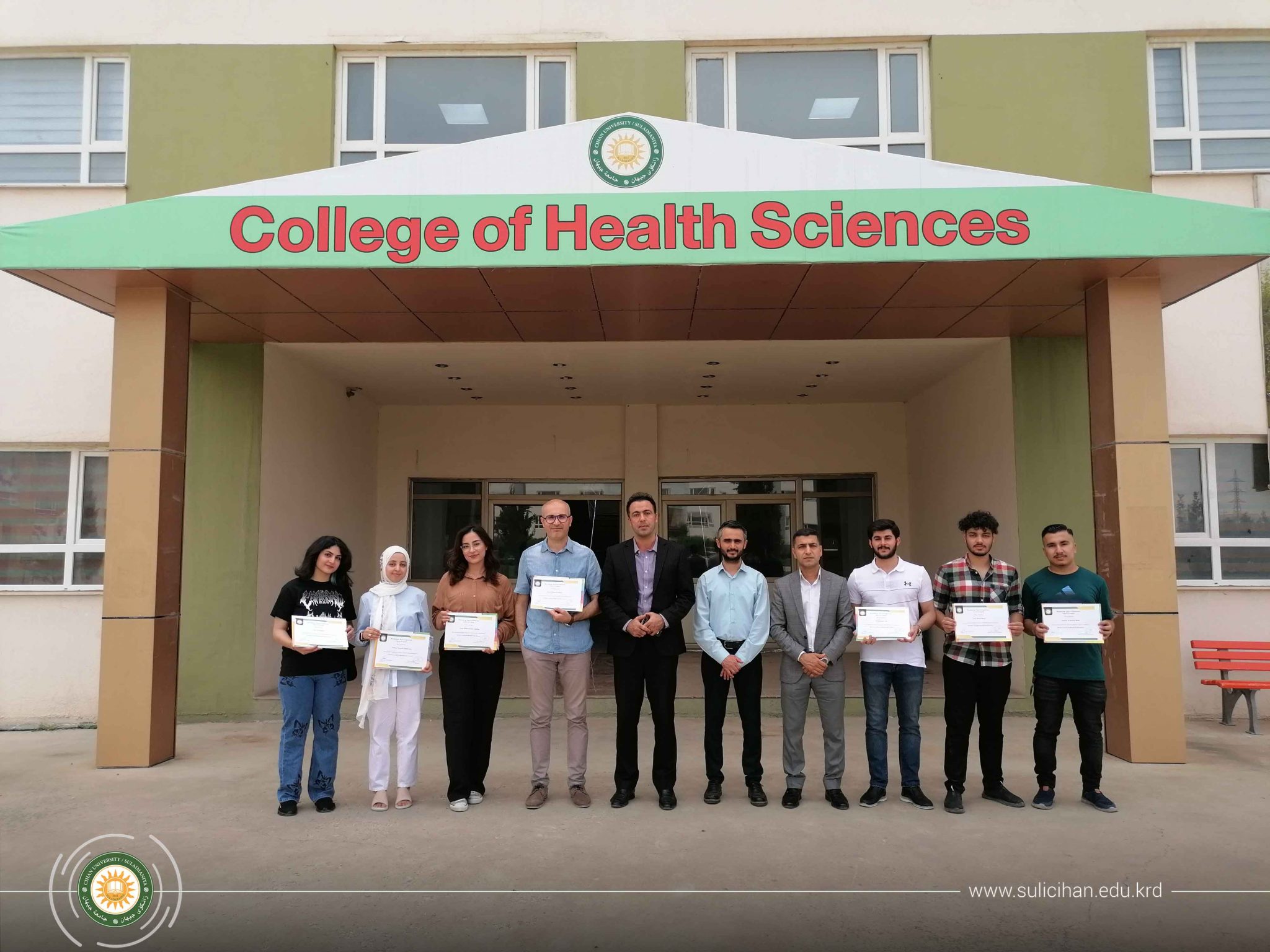
At the conclusion of the workshop, participants were presented with certificates of participation, recognizing their successful completion of the two-day intensive training. These certificates serve as a testament to their dedication and commitment to enhancing their knowledge in the field of machine learning for biomedical data.
Related posts


